
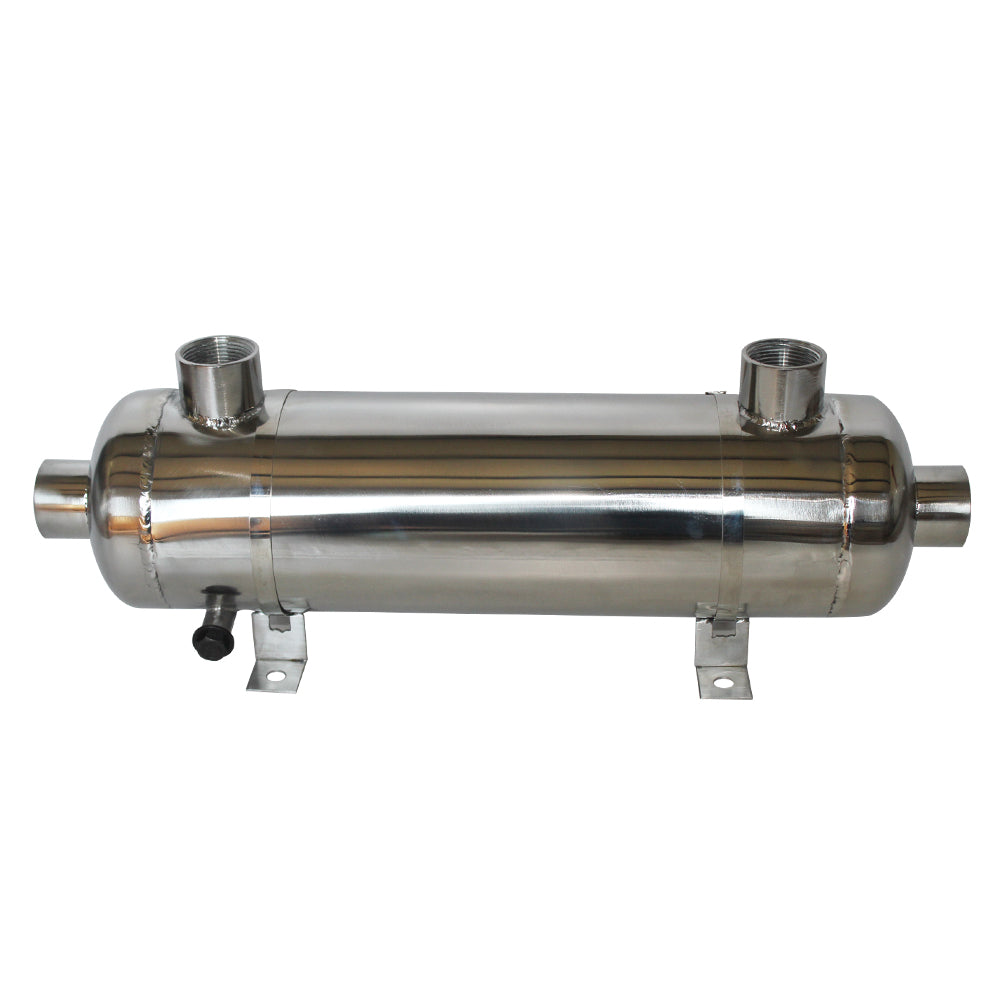
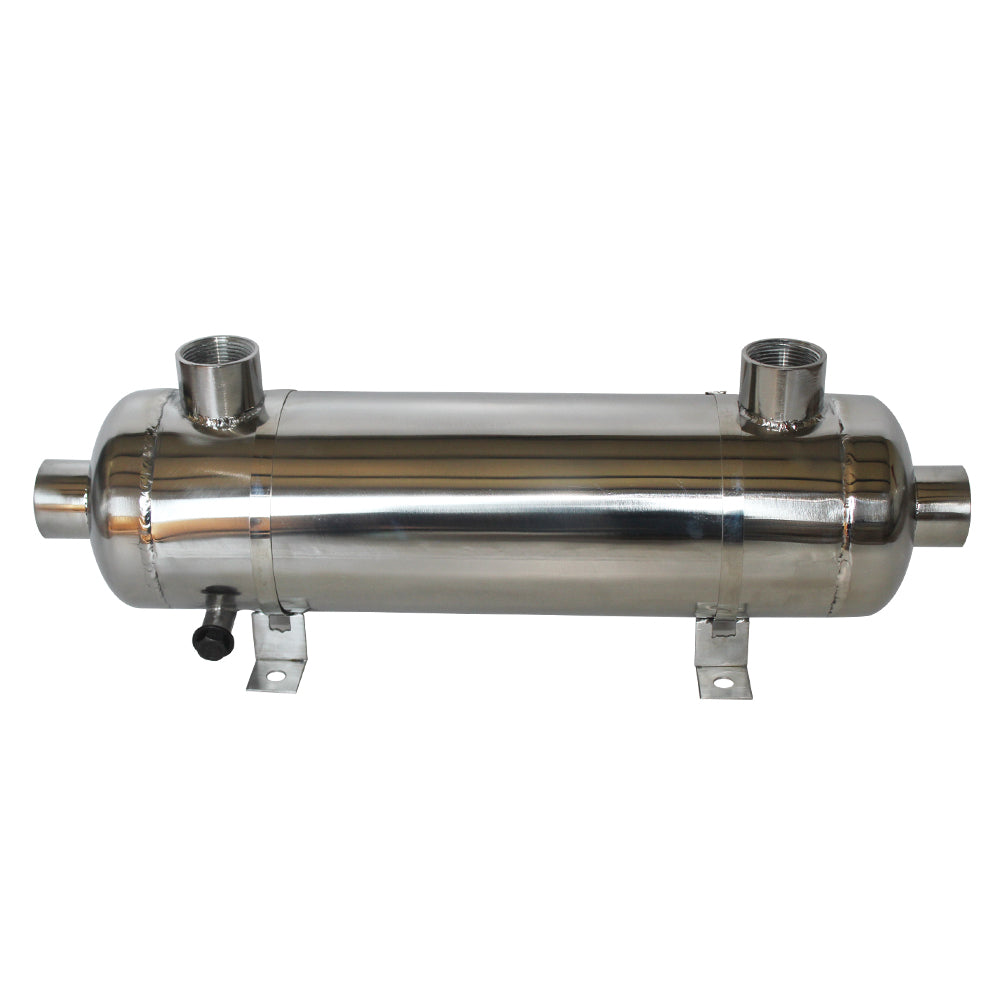
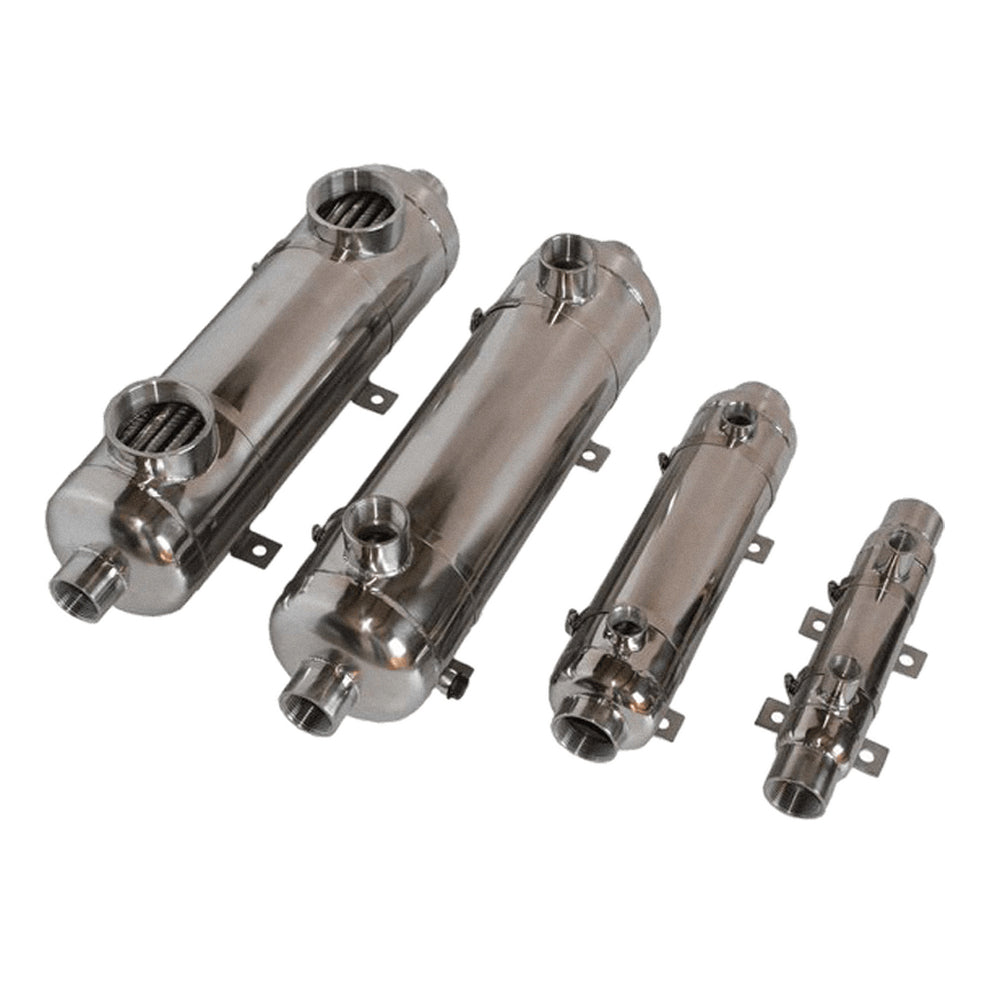
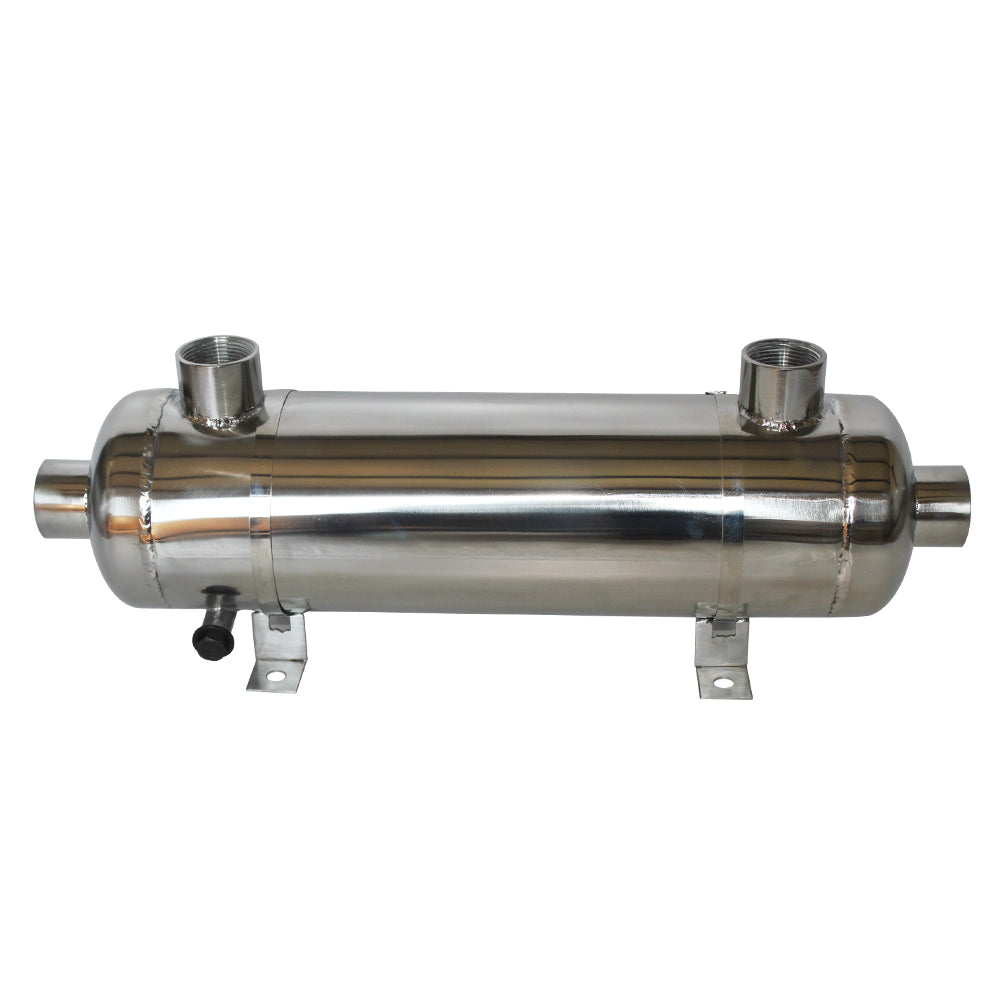
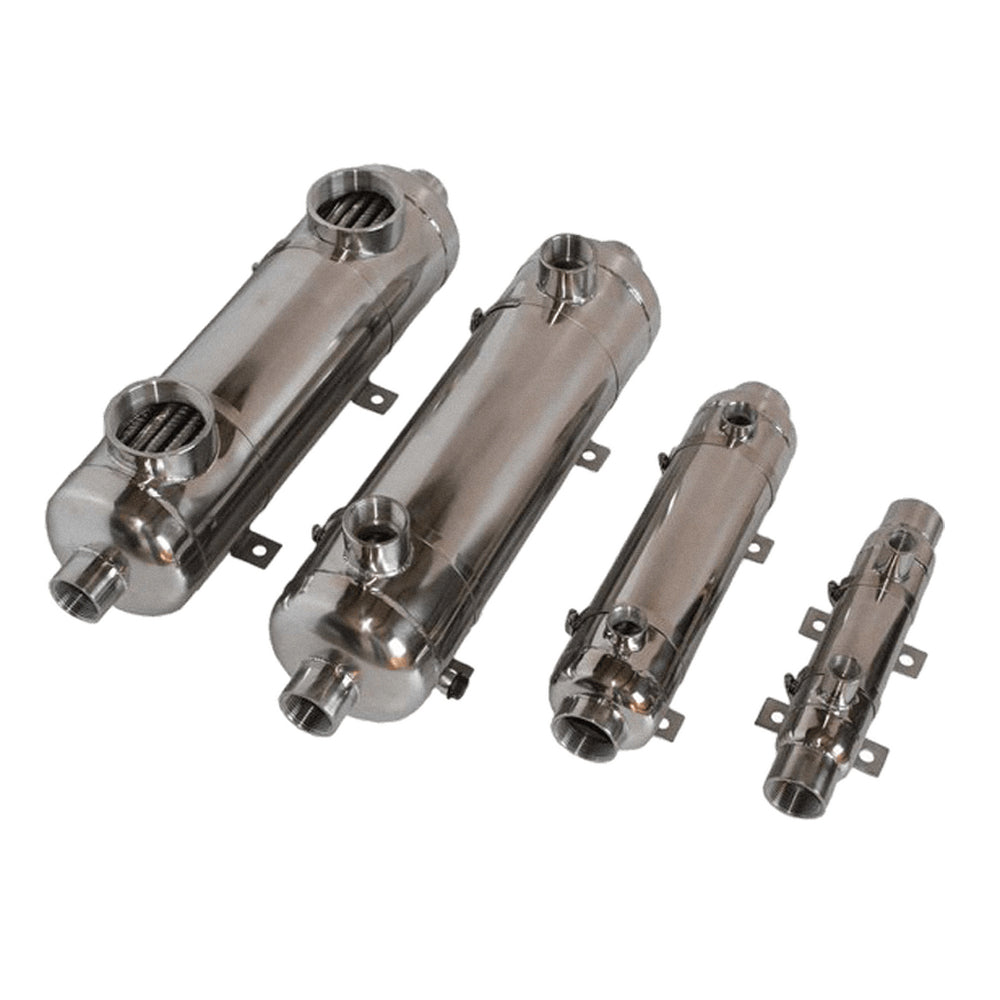
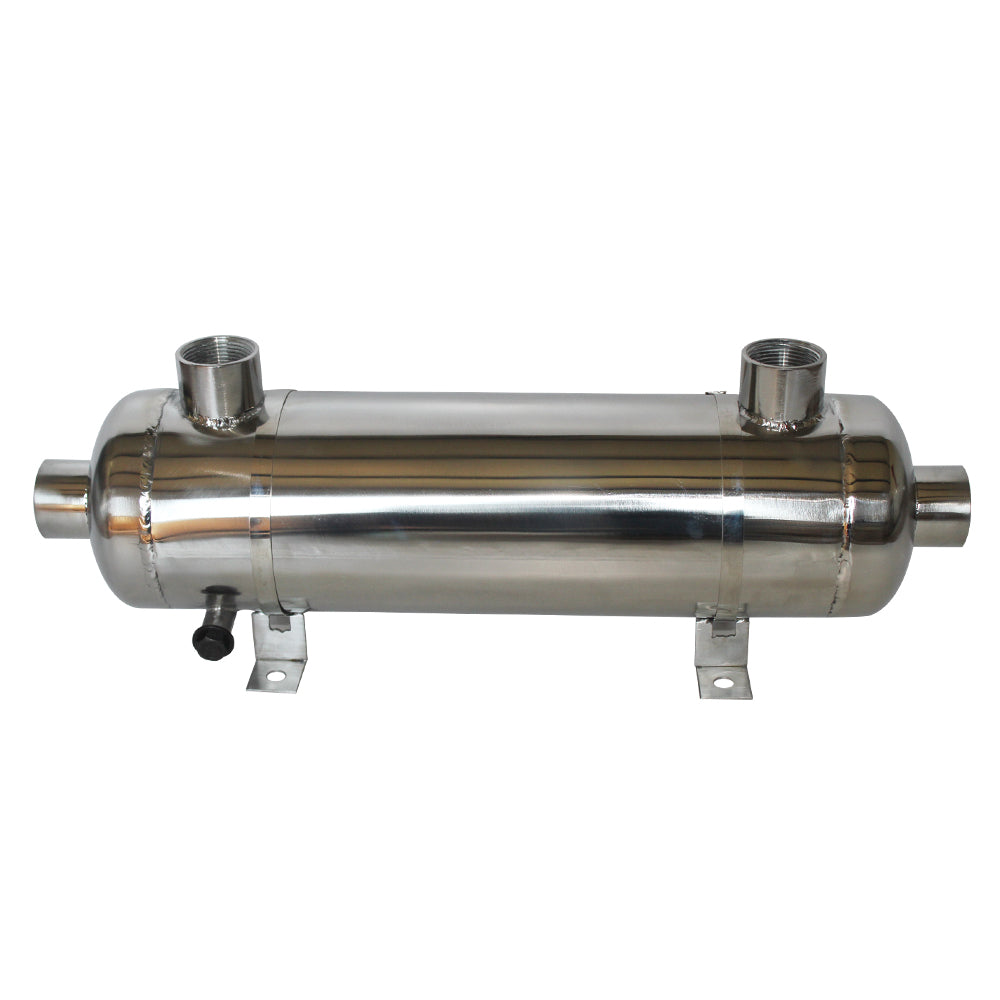
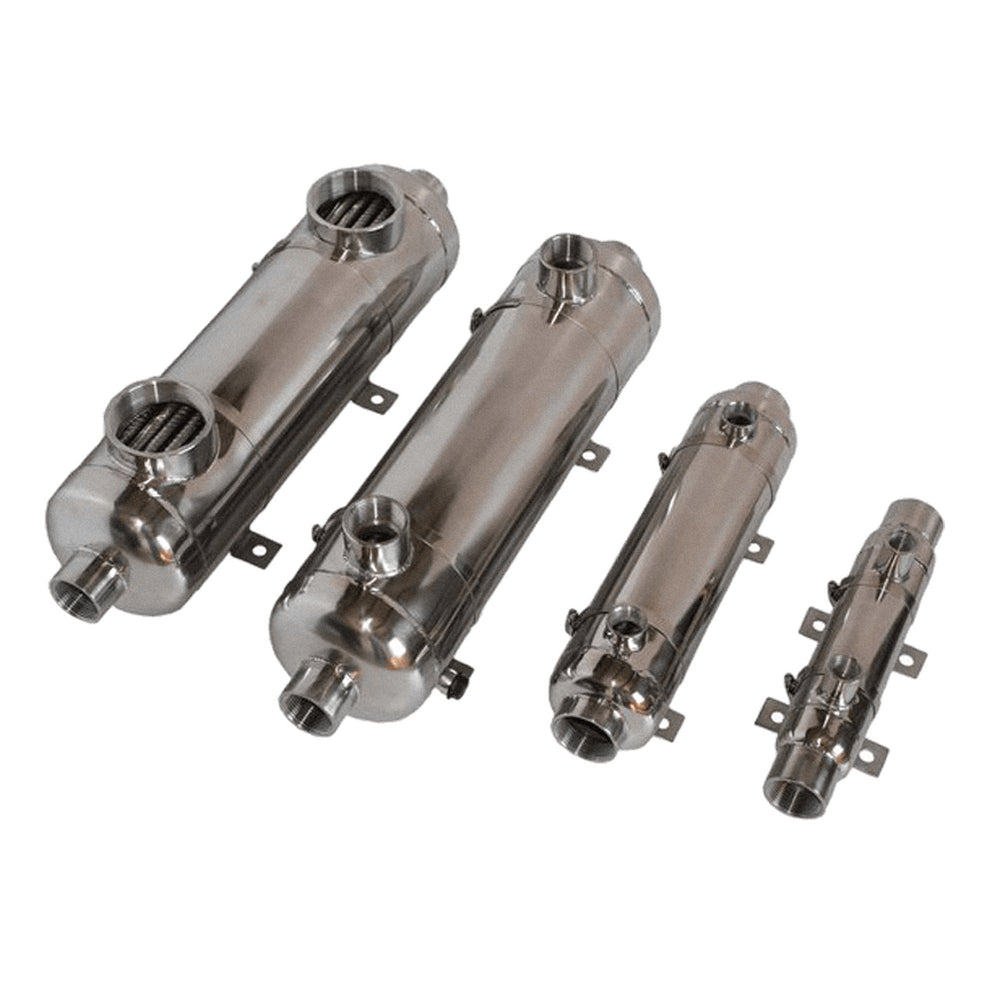
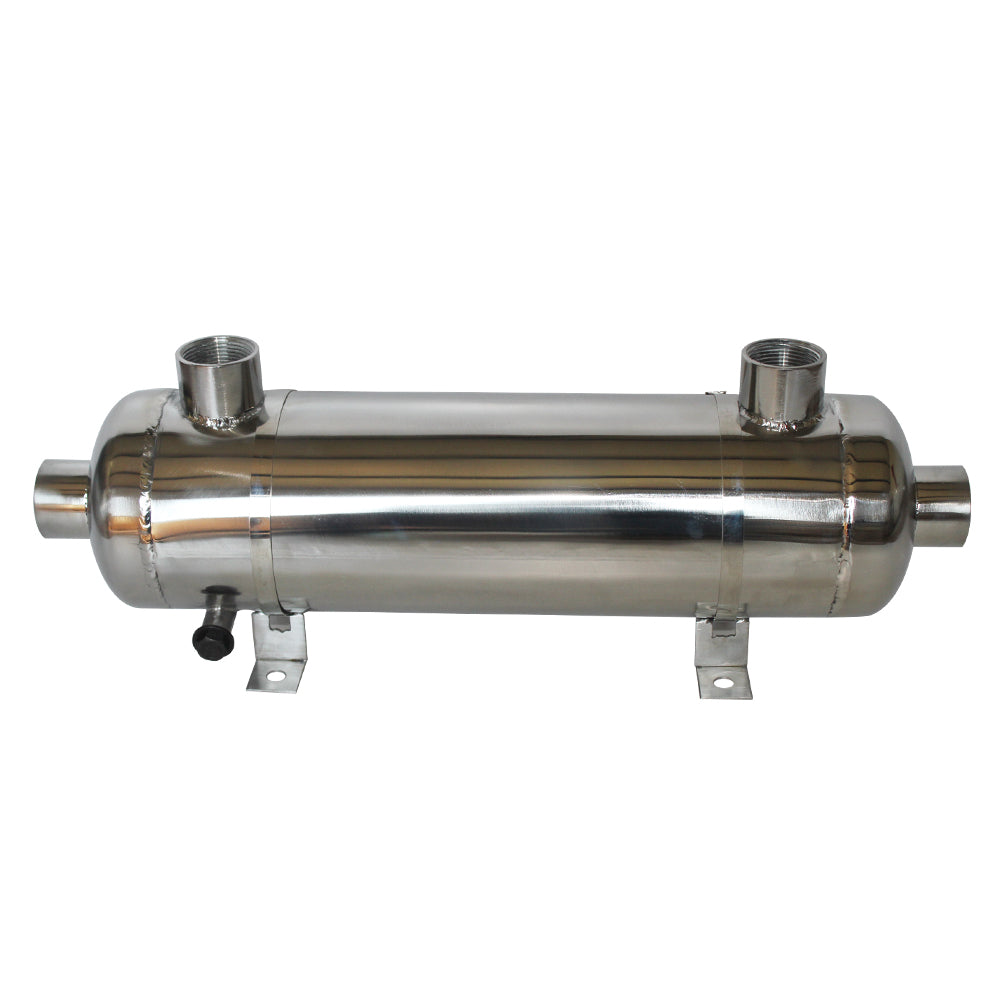
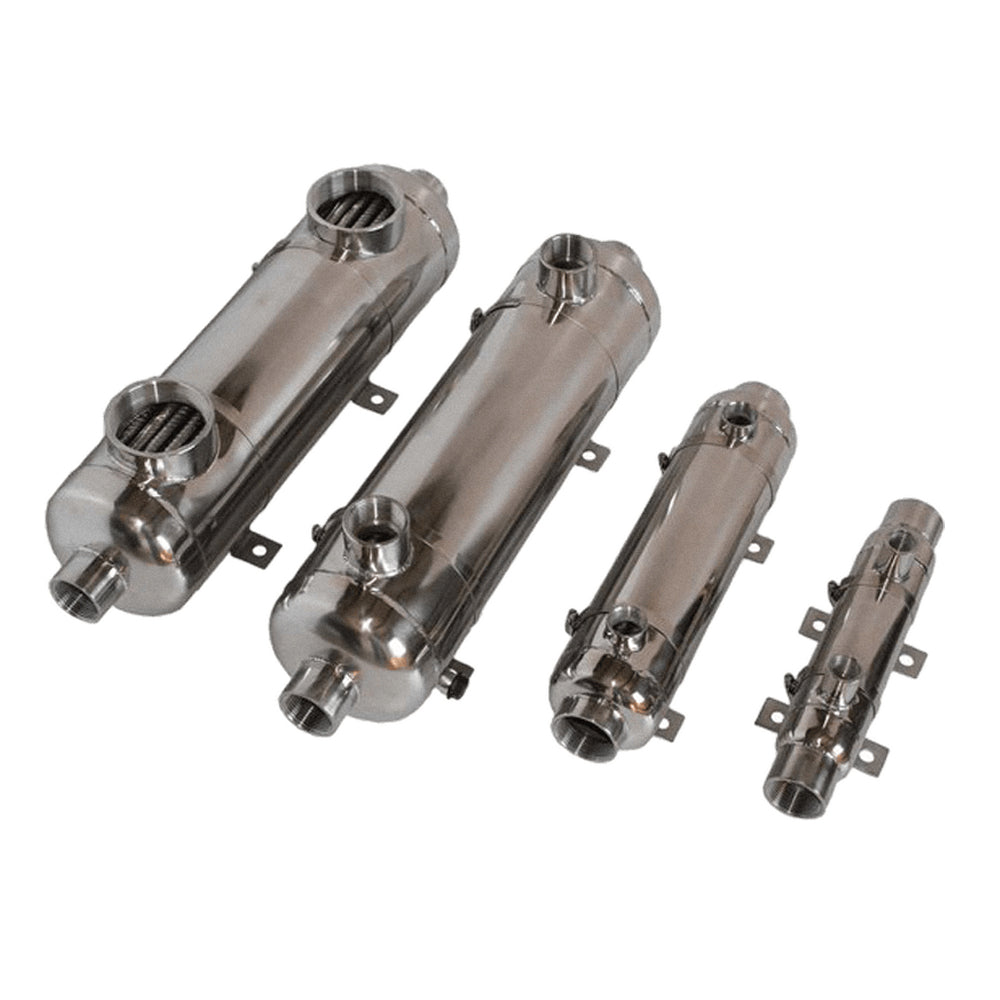
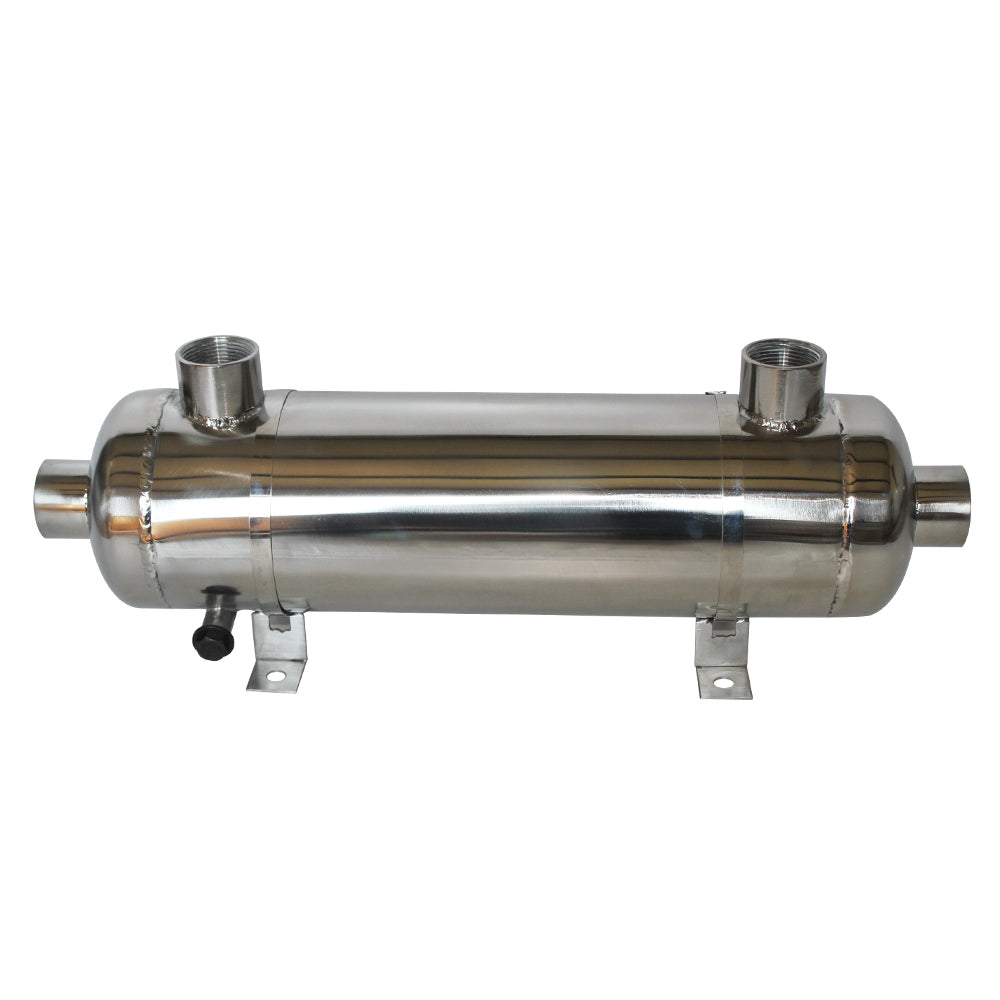
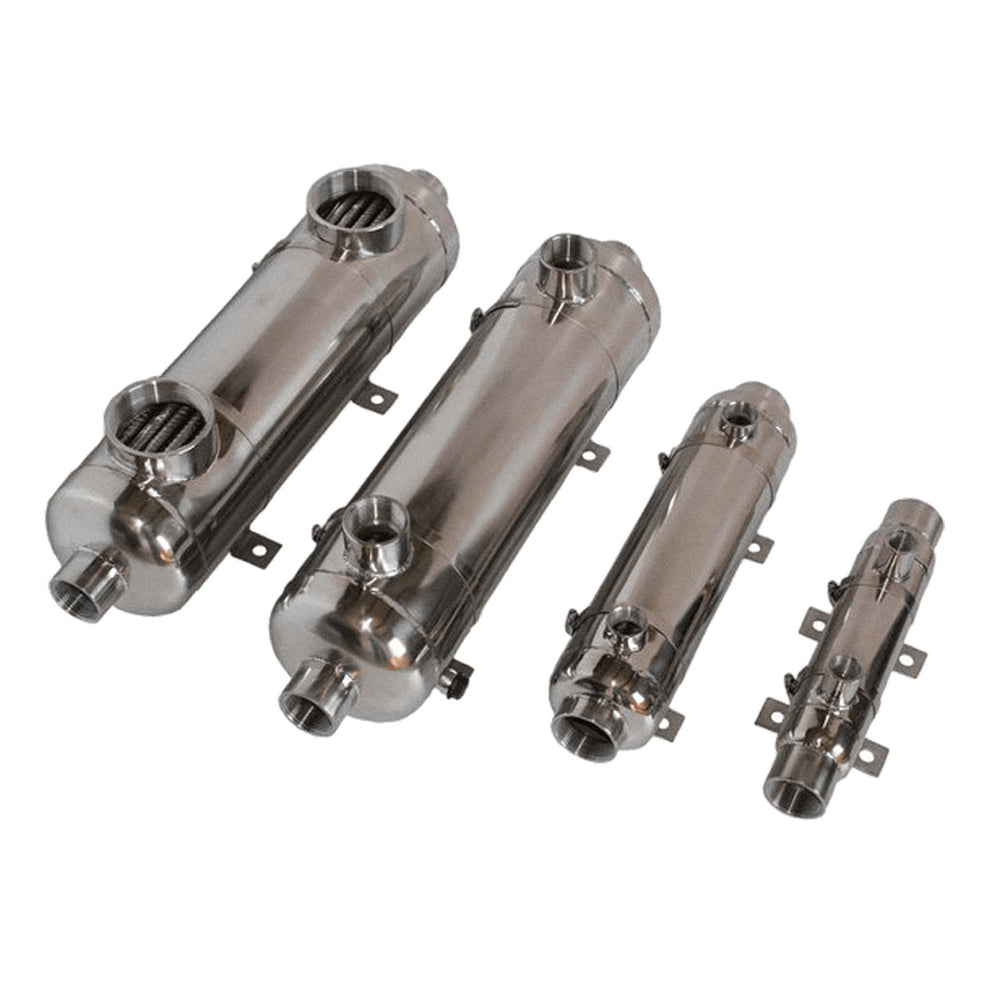
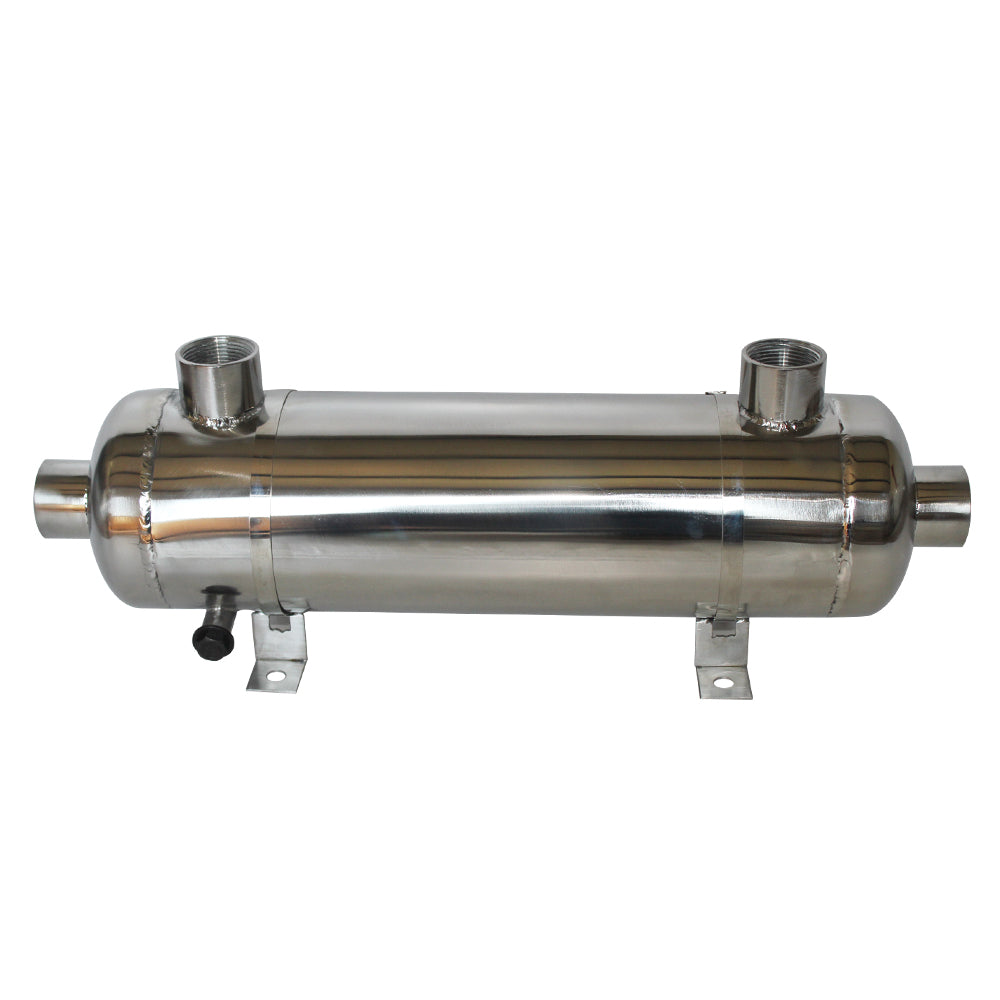
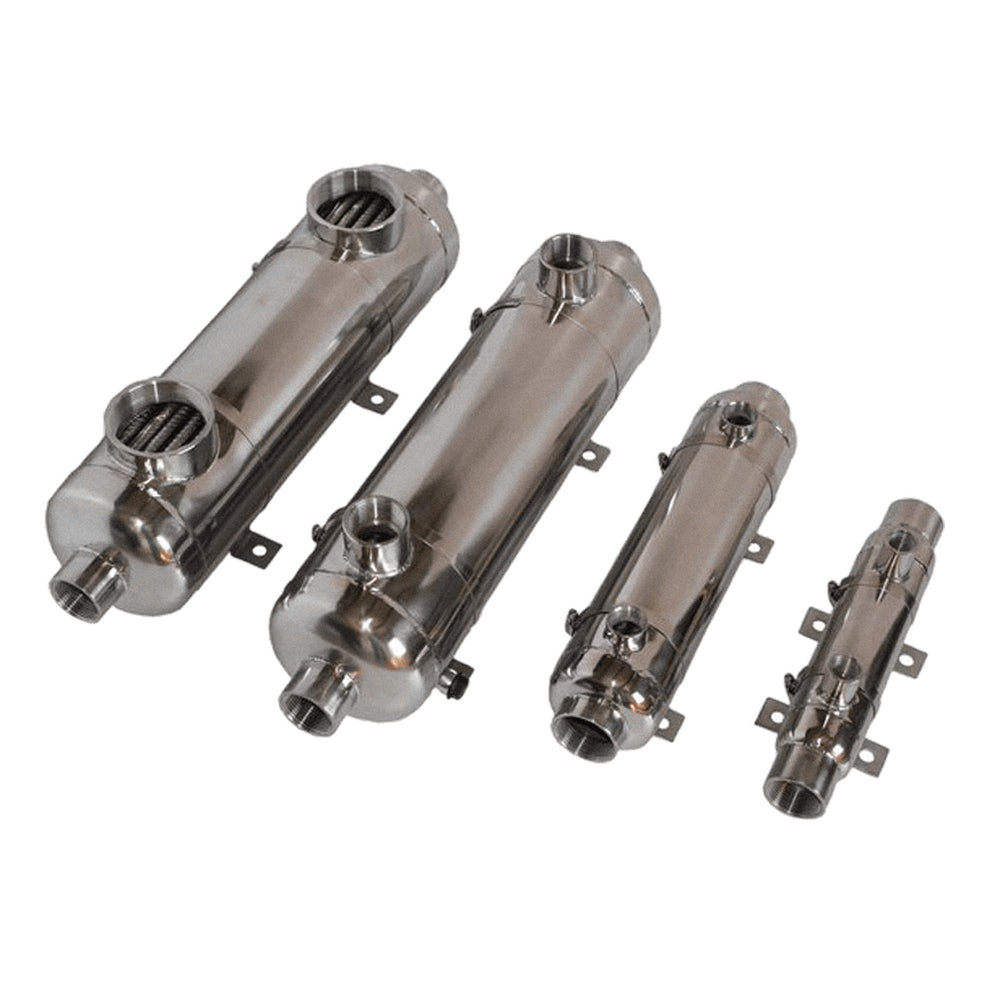
Hydraulic oil coolers help maintain system efficiency by preventing overheating and extending the life of components. Explore options compatible with various flow rates, port sizes, and hydraulic setups. Find the right cooling solution to keep your equipment running without interruptions.
Prevent Overheating and Downtime with Effective Hydraulic Oil Cooling
Overheating is one of the most common causes of failure in hydraulic setups. Maintaining the right oil temperature is not just about performance—it’s about preventing unnecessary breakdowns. If your system runs continuously or under heavy loads, cooling becomes a critical function. That’s where a reliable hydraulic cooler plays its role.
Oil that runs too hot = shorter component lifespan and lower system efficiency. By keeping temperatures in check, you reduce internal stress on parts, minimize oil degradation, and avoid unplanned downtime.
Our collection features a diverse range of cooling solutions specifically designed for industrial and mobile hydraulic systems. Each unit is designed for effective temperature control, whether you’re dealing with compact machinery or high-flow operations. The result? Steady performance, even in demanding environments.
How to Select the Right Hydraulic Oil Cooler for Your Application
The type of hydraulic cooler you choose can directly affect system performance. Shell and tube designs, such as the ones we offer, are compact, efficient, and durable, making them a go-to choice for many industrial applications.
Our models vary by:
- Port size (ranging from 3/4" to 2 1/2")
- Material quality for resistance to pressure and corrosion
- Mounting flexibility for various setups
When your setup includes pumps, motors, or cylinders operating continuously, cooling isn’t optional—it’s a core requirement. Cooling capacity depends on both the flow rate and oil temperature, so ensure that these values are matched to the specific system’s needs. Using the wrong unit may result in underperformance or pressure drops.
Need flexibility? Our coolers are suitable for both horizontal and vertical mounting and are compatible with a range of oil types. If you’re running a high-volume system with constant load, an oversized cooler can offer better efficiency.
The Connection Between Oil Condition and Heat Exchangers
Clean, high-quality oil is essential, but even the best oil breaks down under extreme heat. That’s where an oil exchanger makes a real difference. It helps extend oil life by keeping it in the optimal temperature range, reducing oxidation and buildup.
Without proper cooling, heat accelerates the breakdown of oil. This leads to:
- Increased wear on components
- More frequent oil changes
- Poor energy transfer
Using an oil exchanger preserves oil viscosity and maintains reliable system pressure. It’s a key part of long-term maintenance, not just a one-time fix. And when oil stays cleaner longer, it protects valves, seals, and hoses from premature failure.
Think your system doesn’t need cooling just because it’s not always in use? Think again—intermittent operation still generates bursts of heat that need to be managed.
Features That Define a High-Performance Industrial Oil Cooler
An industrial cooler isn’t just about scale—it’s about durability and reliability in high-demand environments. Heavy-duty hydraulic applications create consistent pressure, heat, and vibration. That’s why construction, manufacturing, and agricultural systems all depend on strong oil cooling setups.
Our coolers are designed for real-world use. That means:
- Welded steel shells and corrosion-resistant tubes
- Compatibility with heavy oil viscosities
- High-pressure resistance for continuous use
You can’t afford component failure during operation. Investing in quality from the start = fewer shutdowns and reduced maintenance costs later on.
Many customers ask: Can one cooler handle different flow rates? The answer depends on sizing and installation. That’s why each of our coolers includes detailed specifications. You can match them to your existing hydraulic system for optimal fit.
Positioning and Integrating a Cooler Into Your Hydraulic Setup
Adding a fluid cooling unit to your system may seem technical, but it’s often straightforward with the right guidance. Placement affects how efficiently heat is dissipated. For best results, mount the unit in a location with consistent oil flow and minimal risk of air pockets.
Common setups include:
- Return line cooling—great for moderate-duty systems
- Off-line cooling circuits—ideal for large-volume flows
- Direct pump-loop integration—used in high-performance configurations
Your fluid cooling unit should always be installed after filtration, not before. This ensures only clean oil passes through, preventing internal fouling. Once in place, a properly sized unit can help maintain consistent temperature without cycling overloads.
Also, keep an eye on external airflow. If your system is enclosed, ventilation may be necessary to facilitate heat release. And remember: incorrect mounting angle or poor oil routing can limit efficiency.
The Long-Term Value of Proper Cooling
Ignoring oil temperature issues can lead to costly repairs. But implementing a stable hydraulic system with built-in cooling changes that. You reduce risk, increase equipment life, and maintain consistent performance over time.
A healthy hydraulic system = lower operating costs and more reliable output
Reliable cooling = consistent pressure, cleaner oil, and better system control
All our coolers are carefully selected for their performance, reliability, and compatibility with a wide range of setups. They’re not just parts—they’re essential support for the entire hydraulic process.
Related Oil Cooling Solutions
When sourcing hydraulic oil coolers for industrial or mobile systems, product quality, compatibility, and supplier reliability all matter. At Alfa Heating Supply, all listed coolers are available directly through our website. We specialize in shell-and-tube hydraulic oil coolers, offering models with port sizes from 3/4" to 2 1/2", designed to control oil temperature in high-demand systems.
Our online collection is designed for fast selection and purchasing. You can sort by popularity, view detailed specifications, and compare models based on BSPT size, flow compatibility, and cooling capacity. Each cooler is clearly labeled with its thread type and port dimensions to ensure correct system integration. If you’re purchasing for ongoing use in an industrial setting, selecting the correct size and pressure rating is critical.
Unlike general-purpose marketplaces, our products are sourced and selected specifically for hydraulic systems. The coolers listed are optimized for resistance to high pressure, thermal stress, and oil contamination. Orders can be placed directly on our product pages, with secure checkout and multiple shipping options.
Need more detailed guidance? Our product pages include size charts, cooling performance data, and installation considerations to help you select the right model for your hydraulic system. If you operate in a region where downtime is costly, ordering direct from a specialized supplier ensures you receive products built to industrial standards—on time and ready for installation.
In industrial environments, hydraulic oil coolers are not all interchangeable. The best models are built to manage continuous loads, resist corrosion, and handle high flow rates without performance loss. Alfa Heating Supply offers durable shell-and-tube coolers suitable for high-pressure operations, making them ideal for manufacturing, construction, and agricultural systems.
The appropriate cooler depends on oil viscosity, temperature range, and system volume. Units with welded steel construction and corrosion-resistant tubes typically perform better in industrial environments, especially under high-duty-cycle conditions. Our coolers are compatible with return-line, off-line, and direct-loop installations, providing flexibility in layout design and performance optimization.
Key performance indicators include:
- Cooling surface area vs. system flow rate
- Pressure resistance under prolonged use
- Compatibility with oil types used in heavy machinery
Our GL, GK, and JK series offer larger port sizes, making them better suited to higher capacity systems. Smaller models are available for compact or mobile machinery. Cooling capacity directly affects system stability, so selecting a cooler too small for the application often leads to overheating and fluid degradation.
Industrial machinery operates under continuous thermal load. Without proper cooling, oil breaks down, seals fail, and component wear accelerates. That’s why selecting a unit with the right cooling power, structural integrity, and mounting configuration is critical for long-term performance and lower maintenance costs.
A hydraulic oil cooler is essential in any system that uses fluid power to operate machinery. It removes excess heat from the hydraulic fluid, helping maintain stable oil temperature during operation. As hydraulic fluid flows through pumps, motors, and valves, it generates heat. Without cooling, this heat reduces oil viscosity, damages seals, and compromises system pressure.
These coolers are typically required in setups involving:
- Continuous operation over long periods
- High-flow circuits with multiple components
- Machinery exposed to high ambient temperatures
Even systems with moderate usage can experience thermal spikes that degrade the oil. A cooler maintains performance by keeping oil in the ideal temperature range. This ensures efficient energy transfer, reduces wear on moving parts, and extends the life of both oil and hardware components.
Our units are designed for flexible mounting and are compatible with multiple hydraulic oils. Shell-and-tube designs are particularly efficient, offering a compact footprint and high heat-transfer rates. When installed downstream of filtration, they protect internal components by ensuring only clean, cooled oil enters the system.
Systems that cycle frequently, operate in dusty or hot conditions, or contain sensitive equipment such as servo valves benefit significantly from dedicated oil cooling. In these cases, the cooler isn’t an optional add-on—it’s part of the system’s core thermal management strategy.
Choosing the right cooling method reduces unplanned downtime and improves reliability. If your setup includes motors, cylinders, or pumps running at high capacity, adding a properly sized hydraulic oil cooler helps protect your investment and ensures consistent system output.


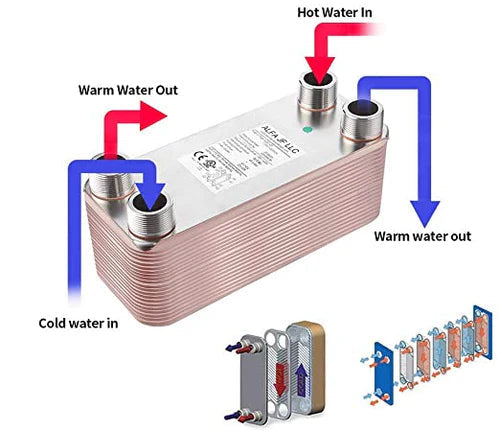
How Brazed Plate Heat Exchangers Work
Brazed plate heat exchangers operate by allowing two fluid streams to flow through alternating channels formed by corrugated metal plates. These plates are vacuum-brazed together, creating a sealed structure that enables efficient heat transfer without mixing the fluids.
The corrugated surface design increases turbulence, improving heat exchange efficiency while minimizing energy loss. This results in faster thermal transfer and more stable system performance, even under demanding operating conditions.
Key Considerations When Selecting a BPHE
Selecting the right brazed plate heat exchanger depends on several critical factors related to your system requirements and operating conditions.
Key considerations include:
- Heat transfer capacity and required thermal load
- Flow rate and pressure drop limitations
- Fluid type (water, refrigerant, glycol, etc.)
- Operating temperature and pressure range
- Connection size and installation space
- Application type (condenser, evaporator, or general heat exchange)
Proper selection ensures optimal efficiency, longer service life, and reliable system performance.
