Keeping your home warm in a way that saves money is important for comfort and savings. Circulation pumps are key to making hot water heating systems work better. But what exactly do these pumps do, and how can they boost your home’s heating performance? In this article, we’ll explain how circulation pumps work, the benefits they offer, the different types, installation and maintenance tips, and how to pick the right one for your home. Read on to discover how to get the most out of your heating system.
What is a Circulation Pump and How Does it Work
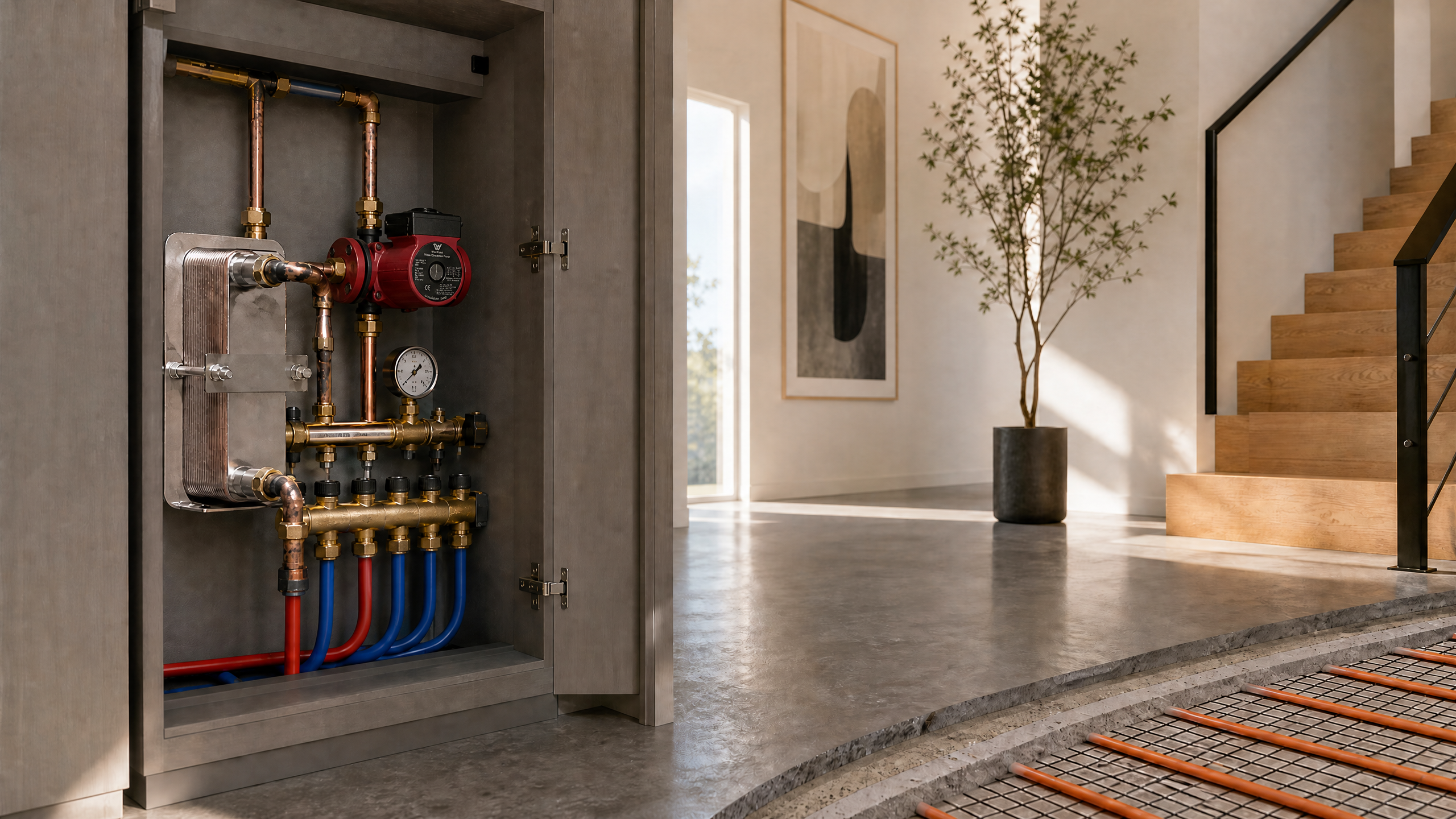
A circulation pump is a crucial component in modern heating systems, designed to save energy and keep you comfortable, these pumps make sure hot water flows steadily throughout your system. Unlike conventional pumps, which are typically used to move water from one location to another, they are specifically engineered to maintain a constant temperature within the heating network. This is achieved by continuously circulating hot water through the pipes, ensuring that it is readily available at all taps or outlets. By keeping the hot water in motion, these pumps minimize the wait time for hot water, reduce water wastage, and improve the overall functionality of the heating system.
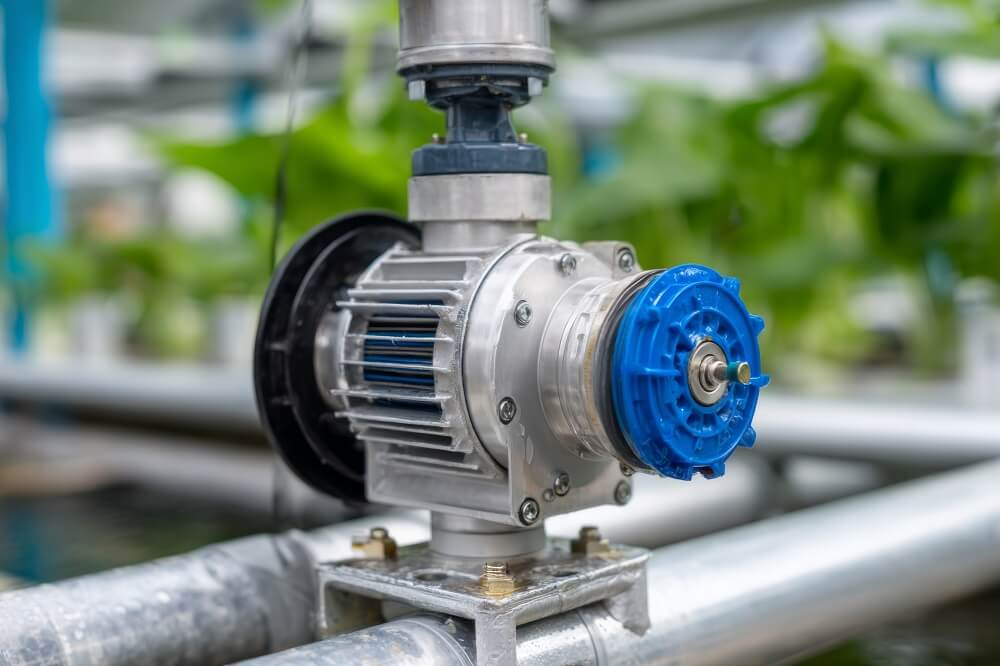
The mechanism of a hot water circulation pump involves a motor-driven impeller that moves the water in a loop, returning it to the boiler or water heater for reheating. This continuous loop of circulation ensures that hot water is always on hand, preventing the cool-down that often occurs in static systems. In comparison, conventional pumps typically activate only when there is a demand, leading to potential delays and inefficiency. A circulator pump operates quietly and efficiently, making it an ideal choice for residential and commercial heating systems that prioritize energy savings and quick access to hot water. By integrating it, homeowners can enjoy a more responsive and affordable heating experience.
Benefits of Using a Hot Water Circulation Pump
One of the primary advantages is the immediate availability of hot water, which significantly reduces the wait time that users typically experience with traditional systems. This immediacy is particularly beneficial in larger homes, where the distance between the water heater and the faucet can lead to delays. By making sure that hot water is readily accessible, these pumps contribute to a more comfortable and responsive home environment. Additionally, circulation pumps for hot water help save water by reducing the amount of cold water wasted while waiting for hot water to reach the tap.
By maintaining a constant loop of hot water, these pumps prevent the cooling and reheating cycle that typically consumes more energy, thereby reducing the overall energy usage of the heating system. This not only lowers utility bills but also supports environmental sustainability by decreasing energy consumption. Furthermore, their consistent operation leads to a more evenly distributed heat throughout the home, enhancing comfort and reducing the strain on the heating system. In summary, incorporating a hot water circulation pump improves heating efficiency by guaranteeing immediate hot water access, conserving resources, and improving energy use, making it a wise investment for any household.
Types of Circulation Pumps for Heating Systems
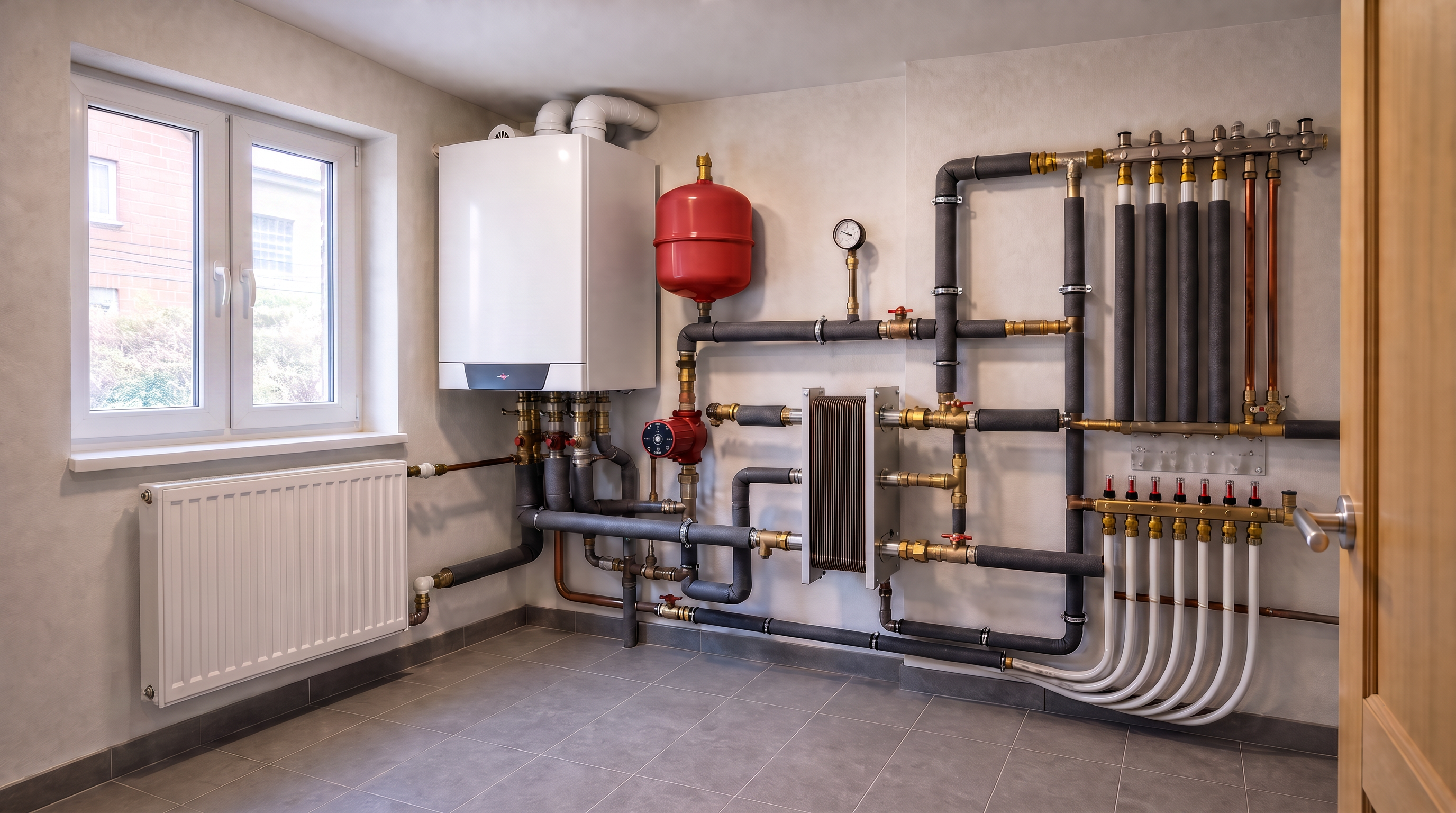
These pumps, including the water heater circulation pump and boiler circulator pump, are designed to meet specific system needs and offer various features to optimize performance. A water heater circulation pump is specifically tailored to work with water heaters, ensuring a continuous flow of hot water. This type of pump is perfect for residential settings where immediate hot water access is a priority. It helps maintain a steady temperature and reduces the wait time, contributing to energy and water conservation. A boiler circulator pump is typically used in systems that rely on boilers for heating.
These pumps are designed to handle higher pressure and temperature conditions, making them suitable for larger homes or commercial spaces where the heating demand is greater. When selecting a circulating pump for a water heater or boiler, it's crucial to consider factors such as the flow rate, head pressure, and compatibility with existing system components. Efficiency ratings, noise levels, and ease of installation should also be evaluated to ensure the pump meets the specific requirements of the heating system. By picking the right circulation pump, homeowners and businesses can get the best performance, save energy, and make their heating systems more comfortable and functional.
How to Install and Maintain a Circulation Pump
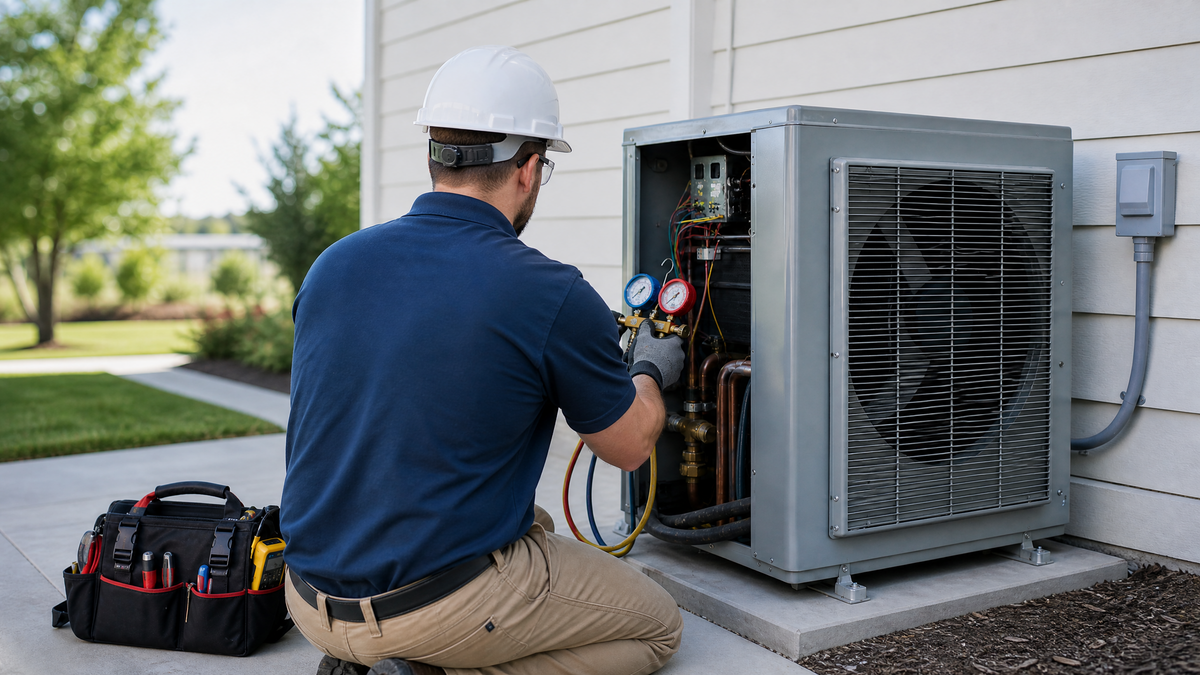
Before beginning the installation, gather essential tools such as wrenches, screwdrivers, and plumbing tape, and ensure you have the correct pump model for your system, whether it's a water heater circulating pump or a circulator pump for a boiler. Start by turning off the power to the heating system and draining the water to prevent leaks. Next, remove the old pump if replacing, and mount the new pump in the correct direction, as indicated by the flow arrows on the pump casing. Securely connect the pump to the plumbing system, making sure all fittings are tight to prevent leaks. Once installed, restore power and slowly refill the system while checking for any leaks or unusual noises that might indicate improper installation.
Routine checks should include inspecting for leaks, ensuring electrical connections are secure, and cleaning any debris from the pump's impeller. For a water heater circulating pump, verify that the thermostat and timer settings are correct to maintain efficiency. Similarly, with a circulator pump for a boiler, check the pressure and temperature settings to ensure they align with system requirements. Troubleshooting common issues, such as vibrating or noisy operation, often involves bleeding air from the system or tightening loose connections. By keeping up with regular maintenance, you can avoid problems and make sure your circulation pump keeps working well, delivering reliable hot water and heating in your home.
Choosing the Right Circulation Pump for Your Home
Choosing the right circulation pump for your home is critical to maximizing heating efficiency and comfort. The first step is to assess your home heating needs and determine the system compatibility of the pump. If your home relies on a water heater for hot water supply, a hot water circulation pump is a perfect choice for guaranteeing immediate hot water access throughout the house. On the other hand, if your system is based on a boiler, selecting a boiler circulator pump is essential as it's designed to handle the specific pressure and temperature requirements of boiler systems. When evaluating potential options, consider the pump's flow rate and head pressure to ensure they meet the demands of your heating system.
Functionality and cost are also crucial factors when selecting a circulation pump. High-efficiency pumps may have a higher upfront cost but can result in energy savings and reduced utility bills over time. It's important to balance initial investment with long-term savings. Additionally, reliability and reputation of the vendor should be assessed to ensure you're purchasing a durable and well-supported product. Look for brands that offer good warranties and customer support, as this can be invaluable for future maintenance or troubleshooting. By thinking about these factors, you can pick a hot water or boiler circulation pump that fits your needs, improves your home’s heating, and stays reliable and affordable.