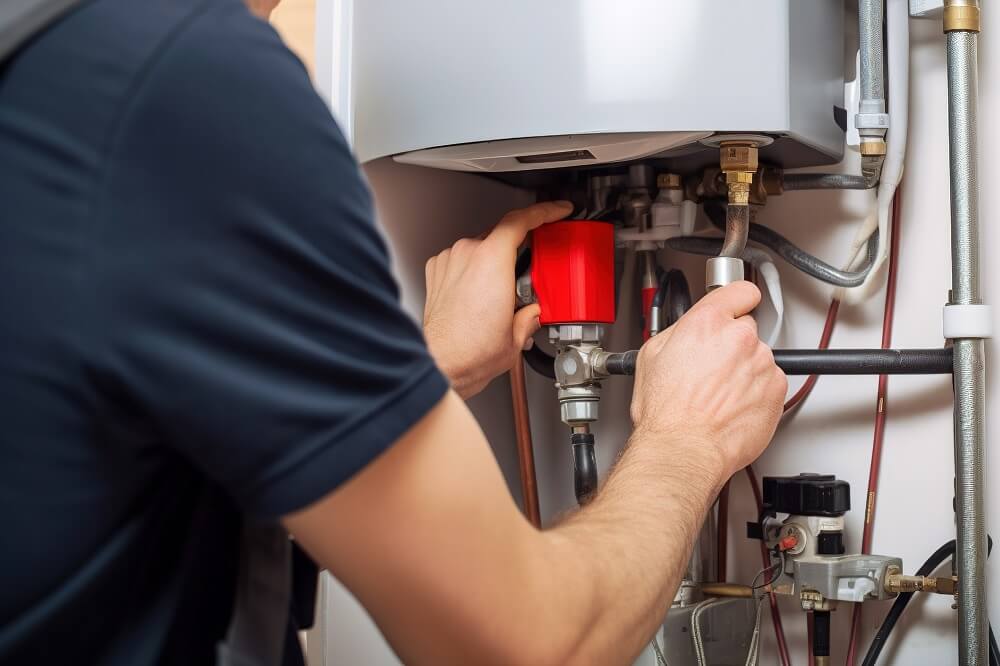
Finding efficient water heating solutions for single-family homes can be both environmentally friendly and affordable. With various technologies available on the market, homeowners have the opportunity to choose systems that not only cater to their hot water needs but also contribute significantly to energy savings. This article provides an overview of different solutions, such as air to water heat exchangers and indirect water heaters, to help you make an informed decision for your home.
Understanding Air to Water Heat Exchangers
Air to water heat exchangers play an important role in modern heating systems, especially for single-family homes that want to save energy and lower their utility bills. These devices function by transferring heat from the air outside into water, which can then be used for household heating needs. This process is highly efficient because it leverages the renewable energy available in the surrounding environment, reducing the need for conventional heating fuels. Their design is optimized to ensure minimal energy loss during this transfer, making it an appealing solution for homeowners seeking sustainability.
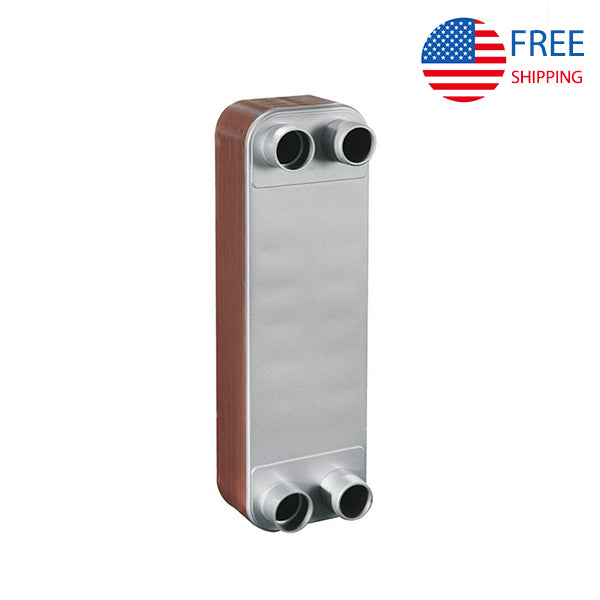
The working principle of air to water heat exchangers involves two main components: a heat pump and a heat exchange coil. The heat pump absorbs thermal energy from the air and transfers it to the coil, which then heats the water circulating through the system. This setup not only provides reliable and continuous hot water supply but also improves air to water heat exchanger efficiency. The environmental benefits are significant; by using ambient air as a heat source, these systems reduce greenhouse gas emissions compared to traditional fossil fuel-based heating methods. For single-family homes, implementing an air to water heat exchanger system can lead to substantial long-term savings and a reduction in the household's carbon footprint.
Benefits of Indirect Water Heaters
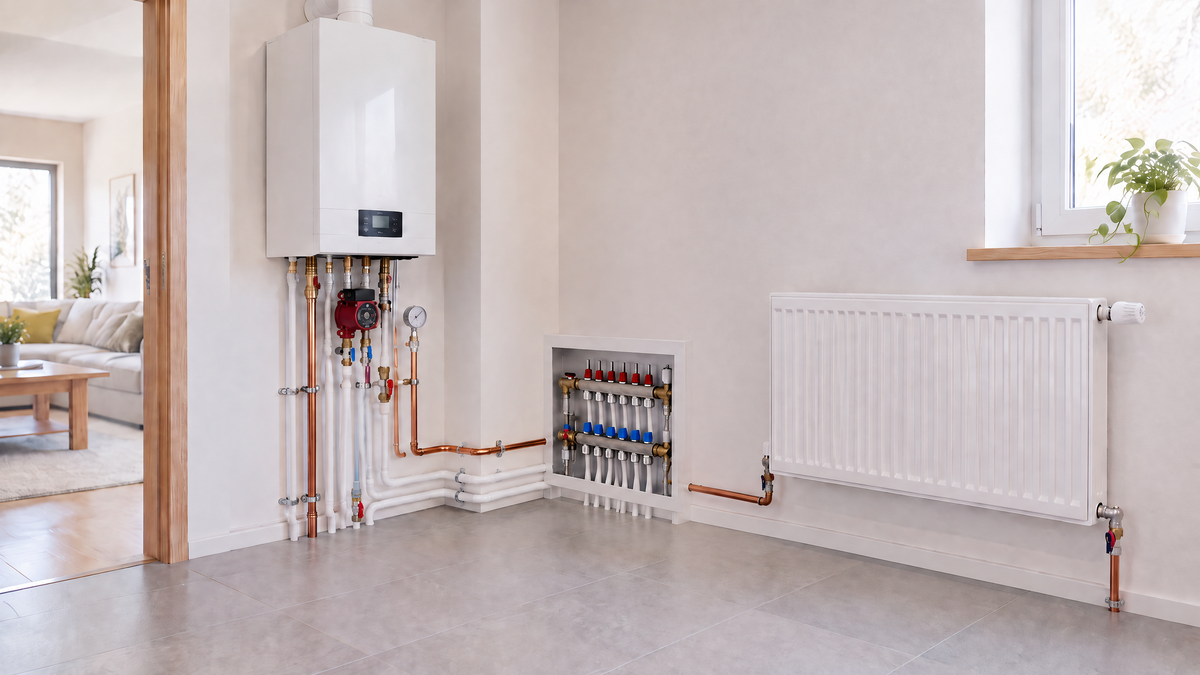
Indirect water heaters are an innovative solution for efficient water heating, especially in single-family homes seeking to optimize their energy use. These systems work by utilizing the existing heating system in the home, such as a boiler or a furnace, to heat water indirectly. Instead of having a separate heating element, they use a heat exchanger to transfer heat from the boiler's hot water to the water in the storage tank. This method uses the already warm water from the main heating system, which helps reduce energy use and saves money for homeowners.
One of the standout advantages of indirect water heaters is their remarkable reduced energy consumption. Since they rely on the home's central heating system, they eliminate the need to power an additional heating appliance, thereby lowering fuel consumption. The integration with the existing heating setup enhances the overall air to water heat exchanger efficiency of the home, providing ample hot water supply without the added energy costs. These heaters are known for their longevity and low maintenance requirements, making them a smart, durable choice for families. By opting for an indirect water heater, single-family homes can enjoy the dual benefits of efficient heating and significant savings on energy bills.
Choosing the Right Heat Exchanger for Your Home
When selecting an air to water heat exchanger for your home, it’s essential to consider your specific heating requirements and the compatibility of the system with your existing infrastructure. For smaller homes or those with limited space, a small air to water heat exchanger may be the perfect solution. These compact units are designed to fit into tight spaces without sacrificing efficiency, ensuring you benefit from optimal heating performance even when space is at a premium. It's crucial to assess the heat exchanger's capacity to make sure it can adequately meet your household's hot water demands.
Another thing to think about is which type of heat exchanger works best for your home. For instance, a hot water to air heat exchanger might be suitable if you're looking to integrate the system with your existing HVAC setup for both heating and cooling purposes. This type both warms water and moves warm or cool air around your home, keeping it comfortable all year long. Pay attention to the efficiency ratings and compatibility with your current systems to maximize energy savings and system longevity. By carefully evaluating these factors, you can choose the right heat exchanger that aligns with your home's heating requirements and contributes to a more sustainable and affordable energy solution.
Solutions for Water to Air Heat Exchanger Cooling
Homeowners who want to improve their cooling systems can benefit from adding a water to air heat exchanger, which provides an energy-saving solution. These systems work by transferring heat from water to air, successfully cooling the air that circulates throughout the home. This method is particularly beneficial for those who already have a hydronic heating system in place, as it allows for an easy transition between heating and cooling modes. By using water to air heat exchanger cooling, homes can maintain a comfortable indoor climate without the need for separate air conditioning units, resulting in reduced energy consumption and lower utility bills.
There are many choices on the market for anyone looking for a water to air heat exchanger for sale. When evaluating potential systems, consider factors such as the exchanger's capacity, efficiency ratings, and compatibility with your existing setup. Some units are designed to integrate with geothermal systems, offering a sustainable choice that leverages the earth’s natural temperatures. Additionally, many manufacturers now offer compact and modular designs, making installation easier and more flexible. By exploring these practical solutions, homeowners can take advantage of advanced cooling technologies that not only increase comfort, but also contribute to a more energy and environmentally friendly home.
Installation Tips and Maintenance
Installing air to water heat exchangers in your home requires careful planning and execution to ensure optimal performance and longevity. Start by choosing a spot with good airflow, as this helps the system work better and move heat more easily. It’s important to hire a qualified HVAC professional who knows your system well and can connect it properly to your home. During installation, make sure all connections are tight and insulated to avoid losing heat, and check that the system is set up correctly to handle your household’s heating needs.
Regular maintenance is important to keep your air to water heat exchangers working well. Check the unit often for signs of wear or corrosion, since these can affect how well it works. Cleaning the heat exchanger coils and keeping the system free of dust and debris will also help it work at its best. If your system also provides water to air heat exchanger cooling, make sure that the cooling components are checked seasonally before and after peak usage periods. By keeping up with these maintenance steps and having a professional check the system from time to time, you can help your heat exchanger keep working well, giving your home dependable heating and cooling for many years.