A radiant heat manifold is an essential component in a hydronic heating system, designed to distribute heated water across multiple floor heating loops or heating zones. Also known as a hydronic heating manifold, it helps regulate water flow, balance individual circuits, and maintain consistent heat distribution throughout a radiant floor heating system.
Whether used in residential underfloor heating or larger multi-zone hydronic applications, a properly selected heating manifold works alongside circulation pumps, valves, and other heating components to support reliable system operation and indoor comfort.
What is a Radiant Heat Manifold?
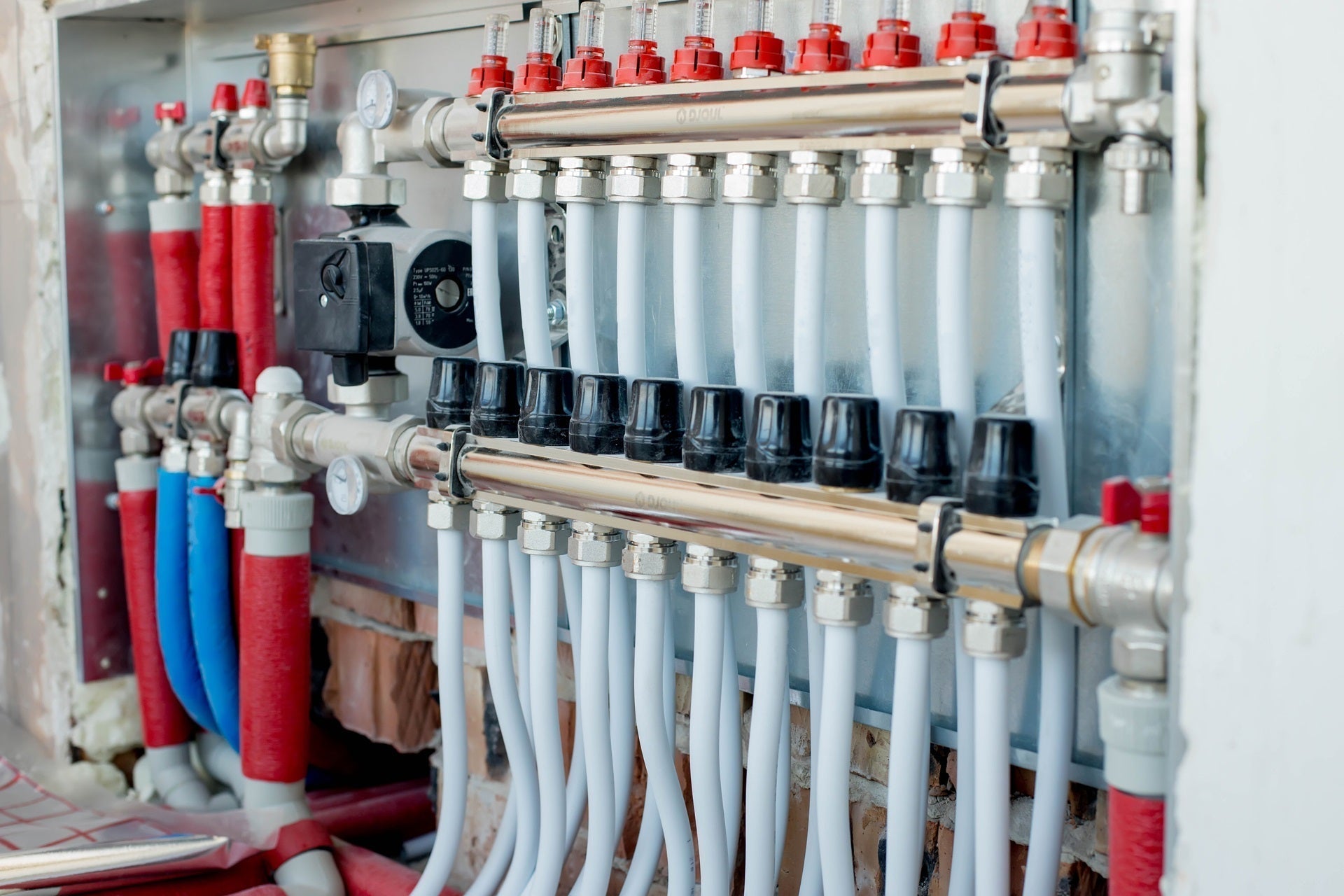
A radiant heat manifold is a device that distributes heated water from a boiler or other heating source to different areas of your home. It acts as the control center for radiant heating systems, ensuring the right amount of heat is delivered to each room. The manifold usually consists of two sections: a supply manifold, which sends heated water to the circuits, and a return manifold, which collects the cooled water and sends it back to the heat source.
Key Features of Radiant Heat Manifolds:
- Flow meters: Allow you to monitor and control the water flow to each circuit.
- Valves: Enable precise adjustments for different zones in your home.
- Air vents: Remove trapped air, which can hinder system efficiency.
By balancing the heat distribution, a manifold ensures consistent and comfortable temperatures across all areas of your home.
Radiant heat manifolds are commonly used in hydronic heating systems because they provide centralized flow control, improve temperature consistency, and simplify zone management for underfloor heating applications. Proper manifold balancing helps reduce energy waste while maintaining stable indoor comfort throughout the heating system.
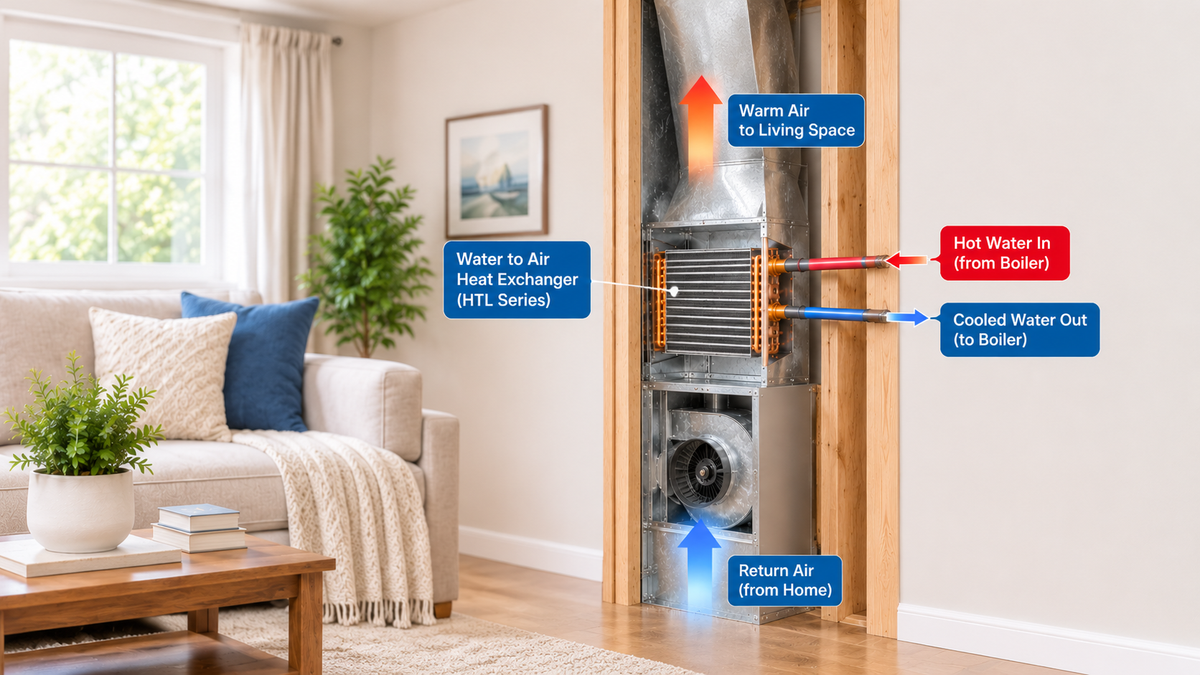
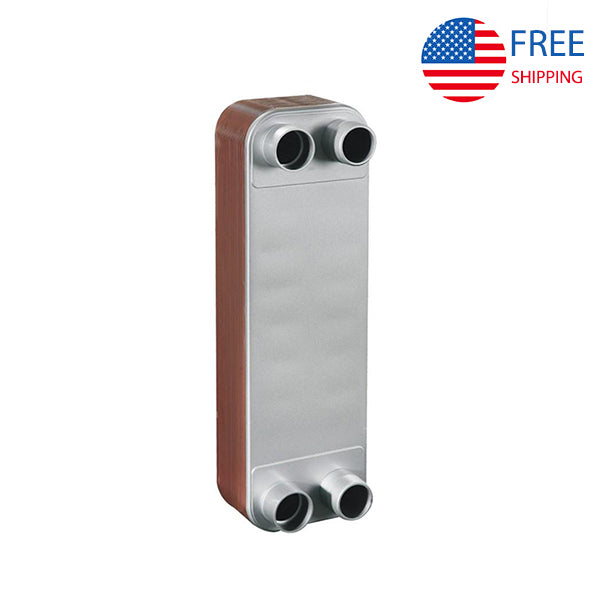
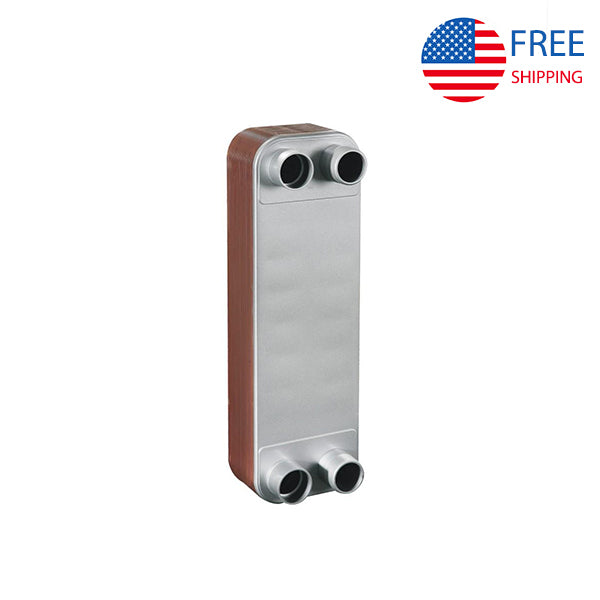
Related Heating and Heat Transfer Solutions
Explore related products commonly used in hydronic heating and radiant floor heating systems:
How Do Radiant Heat Manifolds Work?
The operation of a radiant heat manifold is straightforward but highly effective. Heated water enters the manifold from the heating source and is divided into smaller circuits, each leading to a specific area. Flow meters on the manifold let you adjust how much water flows to each zone, while return lines collect cooled water and send it back for reheating. This continuous process ensures that every room gets the right amount of heat.
Benefits of this Mechanism:
- Energy efficiency: Proper flow balancing helps distribute heated water according to the requirements of each heating circuit. When combined with compatible zone controls, a hydronic heating manifold can support more precise temperature management and reduce unnecessary heating in areas with lower demand.
- Custom temperature control: Depending on your comfort preferences, you can set different temperatures for different areas.
- Uniform heating: It eliminates cold spots often found in traditional heating systems.
This precision makes radiant heating systems powered by radiant heat manifolds an excellent choice for modern homes.
Main Components of a Radiant Heat Manifold
A hydronic heating manifold consists of several components that work together to distribute water, regulate flow, and support individual heating zones.
Supply Manifold
The supply manifold distributes heated water from the boiler or heat source to individual radiant floor heating loops.
Return Manifold
The return manifold collects cooled water from each heating circuit and directs it back toward the heat source.
Flow Meters
Flow meters allow users to monitor and adjust the water flow rate in individual heating loops. Proper flow balancing helps maintain consistent heat distribution across different zones.
Balancing Valves
Balancing valves regulate water flow through individual circuits and help prevent uneven distribution within the heating system.
Thermal Actuators
Electric thermal actuators can open or close individual heating circuits when connected to compatible thermostats or zone controls. They support independent temperature management across different heating zones.
Air Vents
Air vents help release trapped air from the manifold and connected piping, supporting stable water circulation.
Isolation and Drain Valves
These valves allow individual sections of the system to be isolated and help simplify filling, flushing, draining, and maintenance.
Benefits of Radiant Heat Manifolds
Adding a radiant heat manifold to your heating system provides significant advantages. It improves efficiency and enhances the overall comfort of your home. Some of the key benefits include:
- Improved energy savings: The manifold reduces energy waste by controlling heat distribution.
- Zoning capabilities: Set specific temperatures for each area or room, making the system highly flexible.
- Durability: High-quality manifolds are built to last, requiring minimal maintenance.
- Better heat distribution: Ensures even warmth across your home, eliminating uneven heating.
Why It’s Important:
Using a radiant heat manifold makes radiant heating systems more effective and adaptable. Whether you want to keep your living room cozy or reduce heating in lesser-used areas, a manifold gives you the control you need for efficient heating.
Common Applications of Radiant Heat Manifolds
Radiant heat manifolds are widely used in hydronic heating systems where balanced water flow and efficient temperature control are required.
Common applications include:
- Residential radiant floor heating systems
- Multi-zone hydronic heating systems
- Commercial radiant heating installations
- Snow melting systems
- Basement and garage floor heating
- Low-temperature heating systems
- Energy-efficient home heating applications
Types of Radiant Heat Manifolds
Radiant heat manifolds are available in different configurations to meet the requirements of hydronic floor heating systems. When choosing a hydronic heating manifold, consider the number of heating loops, flow control requirements, and whether individual zones need automatic temperature control.
Common manifold configurations include:
1. Radiant Heat Manifolds by Number of Loops
The number of loops determines how many individual heating circuits can connect to the manifold. Common configurations include 2-loop, 3-loop, 4-loop, and 6-loop manifolds.
Each loop serves a section of the radiant floor heating system. The appropriate configuration depends on the floor layout, pipe spacing, circuit length, and overall heating design.
2. Manifolds with Flow Meters
A radiant floor heating manifold with flow meters allows users to monitor and adjust the water flow rate in individual heating circuits.
Flow meters help balance water distribution across different loops, which is important for maintaining consistent heating performance throughout the system.
This configuration is useful for systems where individual circuit flow needs to be monitored and adjusted.
3. Manifolds with Thermal Actuators
A hydronic heating manifold with thermal actuators supports automatic control of individual heating circuits when connected to compatible thermostats and zone control equipment.
The actuators open or close the corresponding manifold valves based on heating demand, allowing different rooms or areas to be controlled independently.
This configuration is suitable for multi-zone radiant floor heating systems that require more flexible temperature management.
4. Pre-Assembled Hydronic Heating Manifolds
Pre-assembled manifolds come with key components already installed, such as flow meters, valves, air vents, and drain fittings, depending on the model.
They can simplify product selection and installation by reducing the need to source individual manifold components separately.
How to Choose the Right Radiant Heat Manifold
Before selecting a radiant heat manifold, consider the following factors:
-
Number of heating loops: Choose a manifold with enough outlets to accommodate the planned heating circuits.
-
Flow control requirements: Consider whether flow meters are needed to monitor and balance individual circuits.
-
Zone control: If independent room temperature control is required, select a compatible manifold with thermal actuators and zone control equipment.
-
Connection size: Check the supply, return, and circuit connection sizes to ensure compatibility with your piping system.
-
System flow requirements: Consider the required flow rate, circuit length, and pressure drop when selecting a manifold for your heating system.
Choosing the right hydronic heating manifold helps ensure proper water distribution, easier system balancing, and reliable operation in radiant floor heating applications.
Explore our Hydronic Heating Manifolds to find configurations suited to different heating loop and control requirements.
Installing a Radiant Heat Manifold
Properly installing a radiant heat manifold is essential for efficiently operating your heating system. While professional installation is recommended, knowing the steps involved can help you understand the process:
General Steps for Installation:
- Choose the location: Position the manifold near the heat source and centrally within the home for balanced pipe lengths.
- Secure the manifold: Use a bracket to mount it on a wall or another accessible area.
- Connect the pipes: Attach the supply, return the pipes to the manifold, and secure them tightly.
- Balance the flow: Adjust the flow meters to ensure even heat distribution across all zones.
- Test the system: Check for leaks and ensure the manifold operates correctly.
Correct installation ensures your system runs smoothly and provides the desired comfort and energy savings.
Maintaining Your Radiant Heat Manifold
Maintaining a radiant heat manifold helps keep your system running efficiently and prolongs its lifespan. Here are some tips to maintain your manifold:
- Check connections regularly: Inspect for leaks or loose fittings that can reduce efficiency.
- Clean flow meters: Remove debris or buildup to ensure accurate readings.
- Flush the system: Periodically clear out sediment or blockages in the pipes.
- Monitor system pressure: Ensure that the water pressure remains within recommended levels.
Benefits of Maintenance:
Proper upkeep reduces repair costs and ensures that your underfloor heating or other radiant heating systems operate effectively for years to come.
Is a Radiant Heat Manifold Right for You?
If you're considering upgrading your heating system, a radiant heat manifold is a worthwhile investment. It improves the efficiency and functionality of underfloor heating and other radiant systems, making them a practical choice for modern homes.
Key Reasons to Choose a Manifold:
- Efficient heating: Optimizes energy use, saving money on utility bills.
- Customizable zones: Allows precise temperature control in different areas of your home.
- Enhanced comfort: Provides consistent warmth, making your home more enjoyable during colder months.
By choosing the right radiant heat manifold for your needs, you can enjoy the benefits of advanced heating solutions that are both reliable and comfortable.