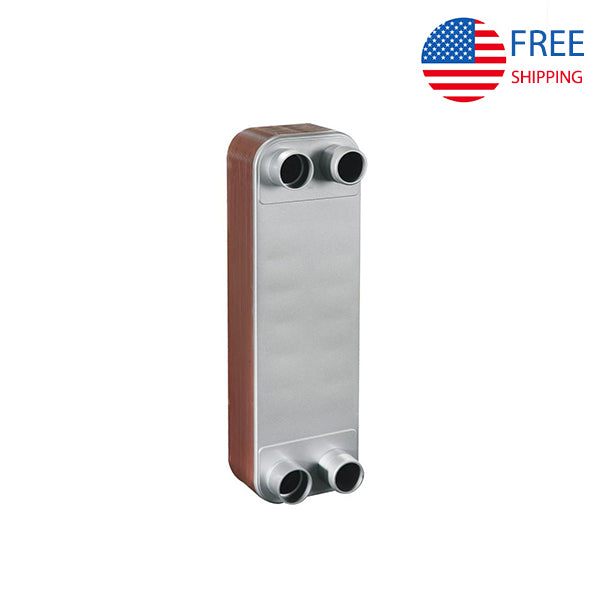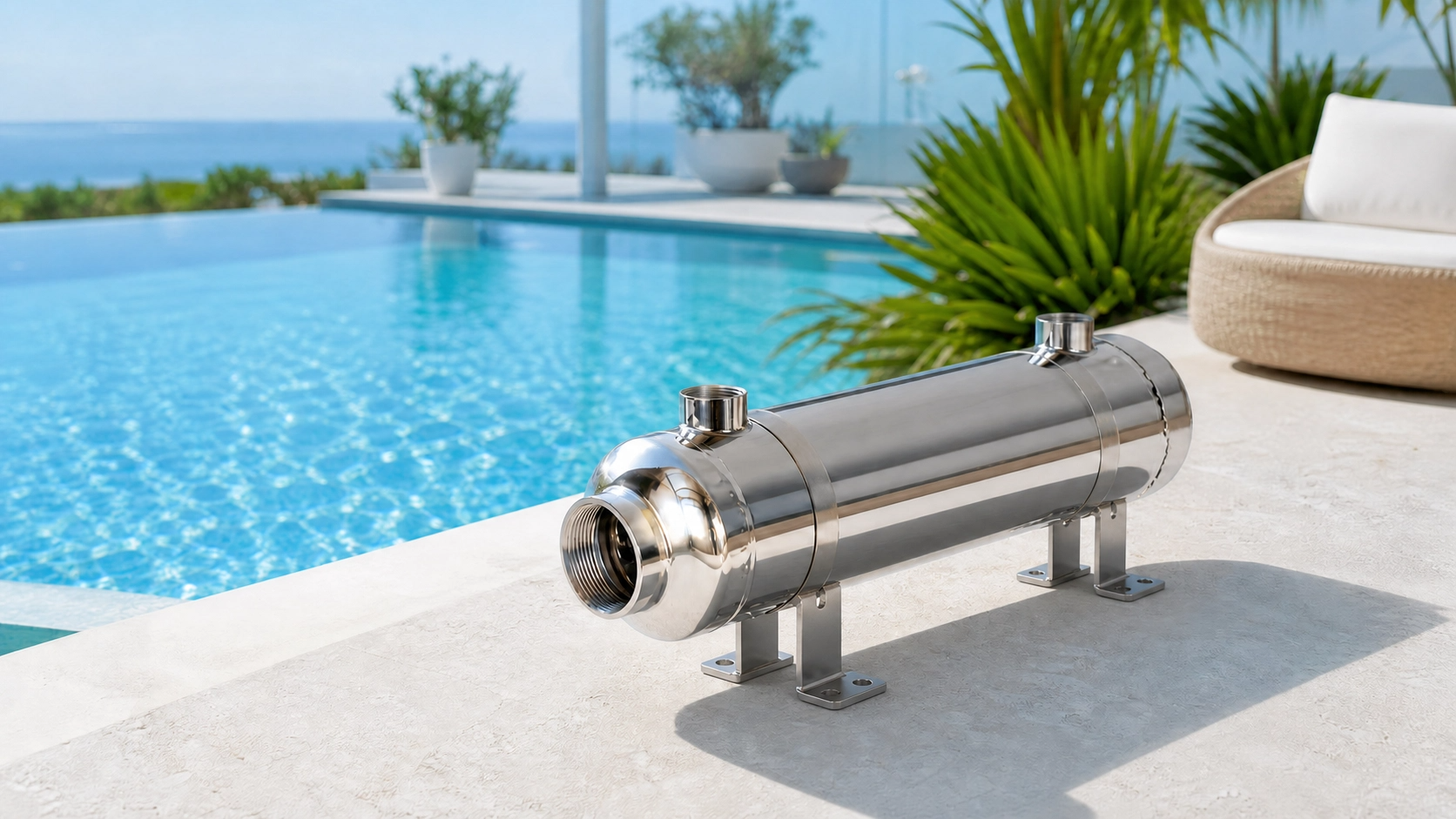
Marine heat exchangers play a critical role in maintaining proper engine operating temperatures on boats, yachts, fishing vessels, and commercial marine equipment. By transferring heat from engine coolant to seawater, they help prevent overheating and ensure stable engine performance.
Marine heat exchangers are widely used across Marine & Offshore applications, where reliable cooling performance is essential for vessels operating in harsh seawater environments.
However, marine environments are particularly harsh. Continuous exposure to saltwater, minerals, biological growth, and vibration can gradually reduce heat exchanger efficiency and lead to system failures.
This guide explains seven common marine heat exchanger issues, their causes, warning signs, and practical solutions.
Why Marine Heat Exchangers Are Critical for Engine Cooling
A marine heat exchanger works similarly to a radiator in a vehicle, but instead of using air to remove heat, it uses seawater flowing through tubes or shell passages.
In most closed-loop marine cooling systems:
- Engine coolant absorbs heat from the engine.
- The coolant flows through the heat exchanger.
- Seawater removes the heat from the coolant.
- The cooled coolant returns to the engine.
If heat transfer efficiency decreases, engine temperatures can rise rapidly, potentially causing:
- Reduced engine performance
- Increased fuel consumption
- Premature component wear
- Engine shutdowns
- Severe engine damage
Because the cooling system depends heavily on heat exchanger performance, routine inspection and maintenance are essential.
Problem #1 – Engine Overheating Due to Fouled Tubes
One of the most common marine heat exchanger problems is tube fouling.
Over time, deposits can accumulate inside the tubes, restricting seawater flow and reducing heat transfer efficiency.
Common sources of fouling include:
- Salt deposits
- Calcium scale
- Marine growth
- Rust particles
- Sediment and debris
Warning Signs
- Engine temperature consistently runs higher than normal
- Temperature alarms activate during heavy load
- Reduced cooling performance
- Increased exhaust temperature
How to Fix It
The first step is to inspect the tube bundle for blockage.
Depending on the severity of fouling, cleaning methods may include:
- Freshwater flushing
- Mechanical tube cleaning
- Tube brushing
- Chemical descaling solutions
For shell and tube marine heat exchangers, flexible wire brushes are often used to clean internal tube surfaces without damaging the material.
Regular cleaning helps restore cooling efficiency and prevents long-term overheating issues.
Problem #2 – Seawater Leakage Inside the Heat Exchanger
Internal leakage occurs when seawater and engine coolant mix due to damaged tubes or failed seals.
Even a small leak can contaminate the cooling system and significantly reduce performance.
Common Causes
- Tube corrosion
- Tube cracking
- Excessive vibration
- Failed gaskets
- Freeze damage
Warning Signs
- Unexplained coolant loss
- Presence of saltwater in coolant
- Milky or contaminated coolant appearance
- Pressure loss in the cooling system
How to Fix It
Pressure testing is often the most effective diagnostic method.
Maintenance personnel should:
- Isolate the heat exchanger.
- Perform a pressure test.
- Identify damaged tubes or seals.
- Replace defective components.
If extensive tube damage is found, replacing the entire heat exchanger may be more cost-effective than repeated repairs.
Problem #3 – Corrosion Caused by Saltwater Exposure
Corrosion is one of the leading causes of marine heat exchanger failure.
Seawater contains chlorides and dissolved minerals that can attack metal surfaces over time.
Common Types of Corrosion
Galvanic Corrosion
Occurs when dissimilar metals are electrically connected in seawater.
Pitting Corrosion
Creates small localized holes that can eventually penetrate tube walls.
Crevice Corrosion
Develops in narrow gaps where stagnant seawater becomes trapped.
How to Prevent Corrosion
Several preventive measures can significantly extend equipment life:
- Install sacrificial zinc anodes
- Use corrosion-resistant materials
- Inspect internal surfaces regularly
- Flush systems after operation when possible
- Replace worn anodes before complete depletion
Materials such as copper-nickel alloys and marine-grade stainless steel generally offer better resistance to saltwater environments than standard metals.
Problem #4 – Reduced Cooling Efficiency from Scale Build-Up
Scale formation differs from biological fouling and corrosion.
Hard water minerals can gradually form an insulating layer on heat transfer surfaces.
Common deposits include:
- Calcium carbonate
- Magnesium compounds
- Salt crystallization
Even a thin scale layer can significantly reduce thermal conductivity.
Effects of Scaling
- Reduced heat transfer efficiency
- Increased engine operating temperature
- Higher fuel consumption
- Increased cooling system workload
How to Fix It
Scale removal usually requires:
- Periodic chemical cleaning
- Scheduled maintenance inspections
- Freshwater flushing after operation
Operators working in warm tropical waters typically experience faster scale accumulation than those operating in colder regions.
Problem #5 – Heat Exchanger Vibration and Mechanical Damage
Marine engines naturally generate vibration during operation.
Over time, excessive vibration can damage heat exchanger components.
Common Causes
- Improper mounting
- Loose brackets
- Engine misalignment
- High seawater velocity
- Vessel impact or shock loads
Potential Damage
- Tube wear
- End cap cracking
- Seal deterioration
- Fatigue failure
How to Fix It
Routine inspections should verify:
- Mounting bracket condition
- Fastener tightness
- Alignment of connected piping
- Structural support integrity
Addressing vibration issues early can prevent more serious mechanical failures.
Problem #6 – Blocked Seawater Flow
Insufficient seawater flow can dramatically reduce cooling performance.
Unlike fouled tubes, this issue often originates elsewhere in the cooling circuit.
Common Causes
- Blocked seawater strainers
- Damaged impellers
- Hose obstructions
- Intake blockage
- Marine debris
Warning Signs
- Sudden temperature increase
- Reduced seawater discharge
- Poor cooling under load
How to Fix It
Inspect the entire seawater circuit, including:
- Seawater intake
- Strainers
- Raw water pump
- Hoses and fittings
- Heat exchanger inlet passages
Maintaining proper flow is essential for efficient heat exchange.
Problem #7 – Aging Components and Material Fatigue
Even with proper maintenance, marine heat exchangers have a finite service life. Years of thermal cycling, vibration, pressure fluctuations, and corrosion gradually weaken components, which is why selecting the right marine heat exchanger replacement solution is critical.
Common Age-Related Issues
- Tube wall thinning
- Gasket hardening
- End cap deterioration
- Reduced structural integrity
How to Manage Aging Equipment
Operators should establish inspection schedules based on:
- Vessel operating hours
- Cooling system pressure
- Water quality
- Equipment age
Regular condition assessments help determine whether refurbishment or replacement is the most practical option.
Preventive Maintenance Tips to Extend Marine Heat Exchanger Life
Preventive maintenance remains the most effective way to avoid unexpected failures.
Recommended practices include:
- Inspect tube bundles regularly
- Clean seawater strainers frequently
- Replace sacrificial anodes as needed
- Monitor engine temperature trends
- Perform annual pressure testing
- Flush systems with fresh water when possible
- Check brackets and mounting hardware
- Inspect for corrosion during routine service
By addressing minor issues before they become major failures, vessel operators can maintain efficient cooling performance and maximize marine heat exchanger service life.
Marine heat exchangers operate in demanding conditions where fouling, corrosion, scale build-up, vibration, and seawater contamination can gradually reduce cooling efficiency.
Recognizing early warning signs and following a structured maintenance program can help prevent engine overheating, minimize downtime, and extend equipment lifespan.
Regular inspections, proper cleaning procedures, and timely replacement of worn components remain the most effective strategies for ensuring reliable marine cooling system performance.
FAQ
Marine heat exchanger overheating is usually caused by restricted heat transfer or insufficient seawater flow. Common reasons include fouled or blocked tubes, scale build-up inside the heat exchanger, and reduced seawater flow due to clogged strainers or damaged impellers. When these issues occur, the marine heat exchanger cannot effectively remove heat from the engine coolant, leading to rising engine temperatures and potential overheating. Regular inspection and cleaning of the marine heat exchanger system helps reduce overheating risks.
Cleaning a marine heat exchanger depends on the level of fouling and tube material. Routine maintenance typically includes freshwater flushing, mechanical cleaning using a tube cleaning brush, and chemical descaling for mineral deposits. Shell and tube marine heat exchangers are commonly cleaned using flexible brushes to remove fouling without damaging the tubes. Proper cleaning is essential for maintaining heat transfer efficiency and extending service life.
A failing marine heat exchanger often shows gradual performance decline before complete failure. Common signs include rising engine temperature under normal load, reduced seawater flow, coolant contamination due to internal leakage, and visible corrosion or pitting inside the heat exchanger. These symptoms usually indicate fouling, tube damage, or corrosion inside the marine cooling system. Early detection and maintenance can help prevent engine damage and costly downtime.