
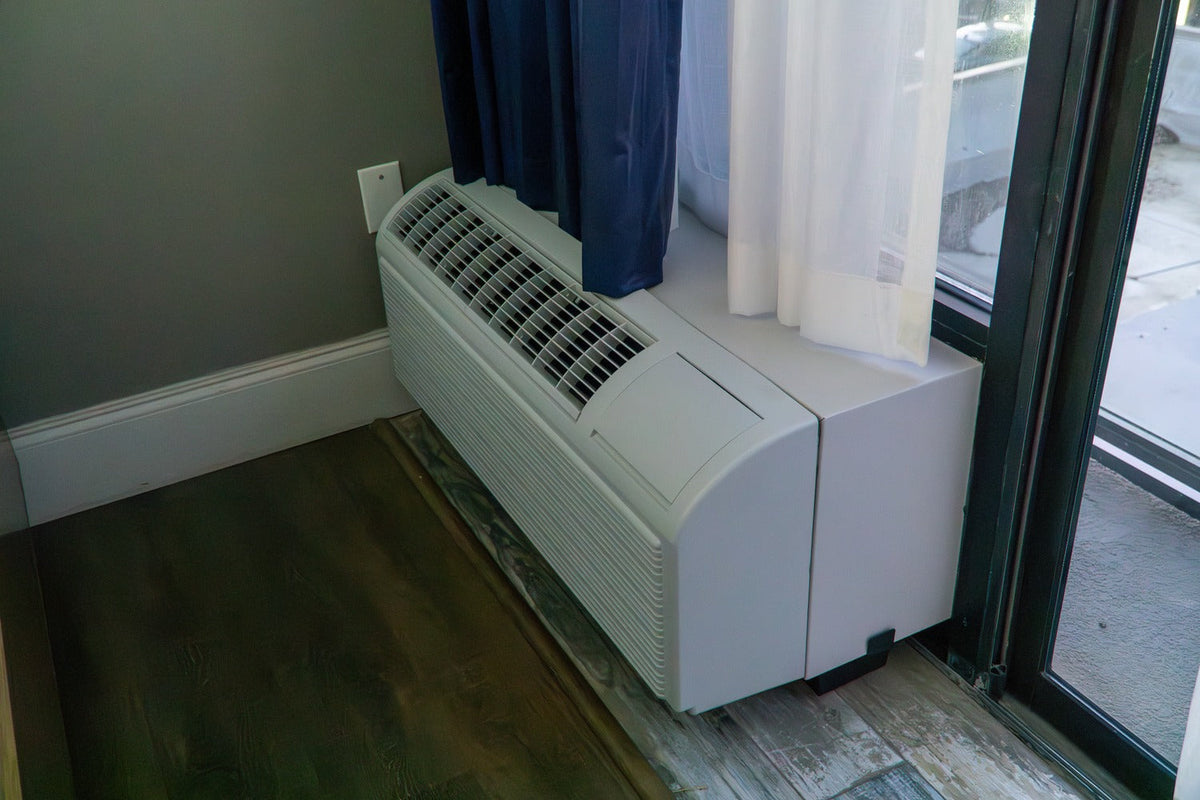
Hotel heating solutions should match measured loads, occupancy, climate and hot-water demand, rather than depend on equipment capacity alone. The right design may combine heat pumps, boilers, heat exchangers and circulation components to maintain guest comfort as demand changes. Zoning, controls, insulation and heat recovery can limit unnecessary energy use, while reliable peak performance supports daily operations. This article explains how to assess existing pipes, pumps and plant before selecting heating systems for hotels, including solutions for pools, spas and shared areas.
In this article you will learn:
- how to assess hotel energy demand, occupancy and hot-water peaks;
- how to compare heating sources for climate, load and site conditions;
- how to combine zoning, controls and insulation without losing comfort;
- why measured loads and system integration matter more than output alone.
Hotel heating solutions begin with energy demand
Heating, cooling and domestic hot water account for a major share of hotel operating costs, making thermal planning an operational decision rather than a simple equipment purchase. Industry guidance places their combined contribution at almost 60% of typical energy costs.
Guest rooms need stable temperatures, hot water must remain available around the clock, and plant failures can immediately affect service. For that reason, reliable peak-demand performance matters as much as efficiency.
Resort heating systems also need to reflect property size, changing occupancy, local climate and amenities such as pools, spas or large shared areas.
Choosing the right system for load, climate and site
No single source suits every property. The right heating systems for hotels should follow actual loads, climate, utility access and the condition of the existing plant.
Common options include:
- gas or condensing boilers - effective where fuel is available
- electric boilers - simple but dependent on electrical capacity
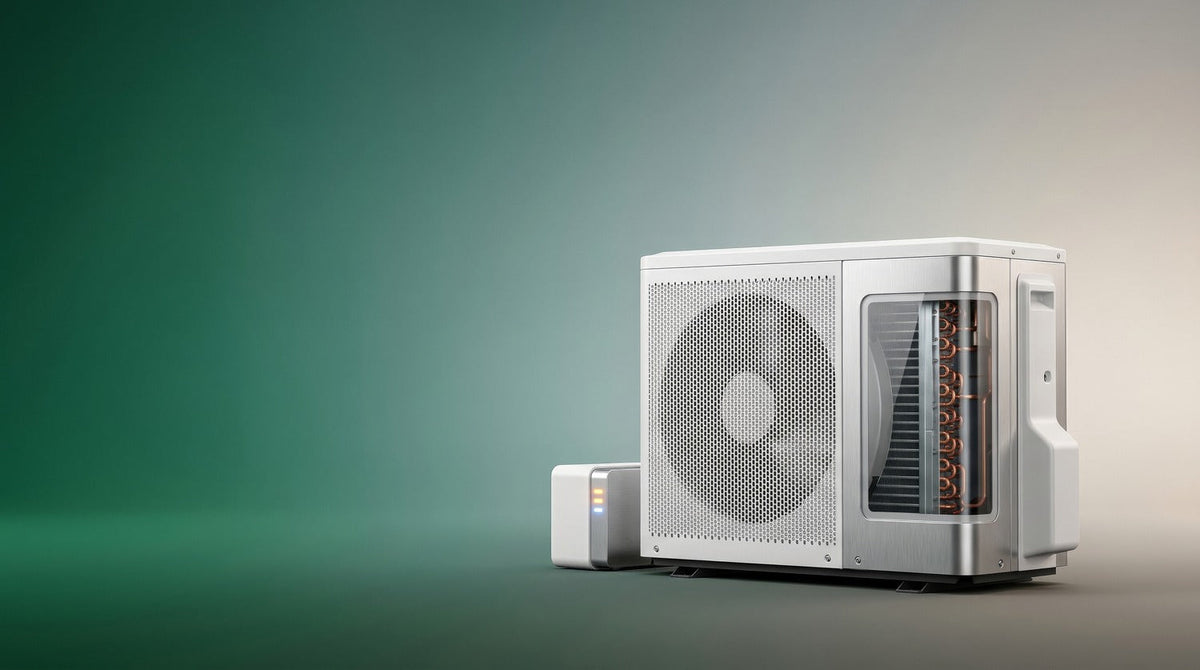
- air-to-water heat pumps - suited to compatible temperatures and climate
- water-source or geothermal systems - appropriate where site conditions support them
- district heating or CHP - viable when local infrastructure permits
Heat pumps can provide efficient heating and DHW at lower supply temperatures, while boilers may cover high-temperature demand and resilience needs more effectively. Capacity must be based on measured loads, DHW peaks, building fabric and seasonal operation, not installed output alone.
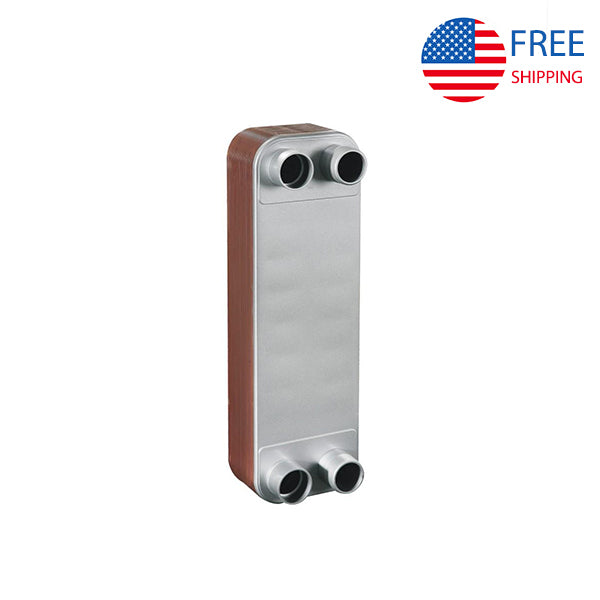
For retrofits, assess piping, pumps, heat exchangers and distribution before selecting commercial heating solutions. Integrated heating, cooling and hot-water production can suit sites with simultaneous thermal loads.
Energy efficient hotel heating without lost comfort
Comfort is protected when systems serve occupied areas and actual demand instead of heating the entire property at one fixed output. Effective energy efficient hotel heating combines better equipment efficiency, stronger insulation and advanced installation technologies.
Occupancy zoning, smart thermostats, sensors and building-management controls can keep vacant rooms ready without unnecessary conditioning. Heat recovered from HVAC, exhaust air or cooling processes can support heating or DHW through correctly integrated heat exchangers.
Hot-water performance also depends on demand profiles, circulation control and coordinated temperature management. Better insulation lowers the load before equipment needs to meet it.
One integrated-system case reported 63% lower heating and cooling electricity use and 44% lower total electricity use over two years, but those results remain site-specific. At Alfa Heating, we offer heat exchangers, circulation pumps, PEX piping and HVAC components that support integrated hospitality systems.
Related pages:
Designing hotel heating around real demand
Integrating measured loads from BMS data with heat pumps, boilers, zoning, controls, insulation and heat recovery allows hotels to maintain comfort during peaks while reducing energy use, as one integrated system achieved 63% lower heating and cooling electricity consumption. Assessing existing pipes, pumps and heat exchangers before upgrades supports resilient, site-specific solutions that combine sources effectively for pools, spas and guest areas.
Frequently Asked Questions
Savings vary by building, climate and existing equipment. Measured loads and controls are needed before estimating results accurately.
Variable speed drives match flow and airflow to demand, reducing unnecessary motor power. They also support steadier temperatures and lower equipment wear.
An energy management system typically combines sensors, smart controls, metering, thermostats and building-management software. Together, these tools optimize heating, cooling and hot water.
Service heating and HVAC equipment on a planned schedule based on operating conditions and manufacturer guidance. Regular inspections help maintain efficiency and identify faults early.




Expert tip:
Pull a week of BMS trend data before choosing new hotel heating equipment. Compare occupancy, room temperatures, supply and return temperatures, and DHW peaks to identify simultaneous heating and cooling or oversized operation. Recheck the same dashboard after adjustments: those overlap periods should decrease without wider room-temperature variation.