Swimming pools require reliable heating solutions to maintain comfortable water temperatures throughout the year. At Alfa Heating Supply, we provide titanium pool heat exchangers designed for residential, commercial, and saltwater pool heating applications, helping customers achieve reliable and efficient heat transfer performance.
A titanium pool heat exchanger is one of the most durable and efficient solutions for saltwater pool heating applications. Thanks to titanium’s exceptional corrosion resistance, long service life, and compatibility with various heating sources, titanium heat exchangers are widely used in residential pools, commercial pools, spas, and resort facilities.
In this guide, we will explain how titanium pool heat exchangers work, why titanium is preferred for saltwater pools, how titanium compares with stainless steel, and how to select the right model for your pool system.
What Is a Titanium Pool Heat Exchanger?
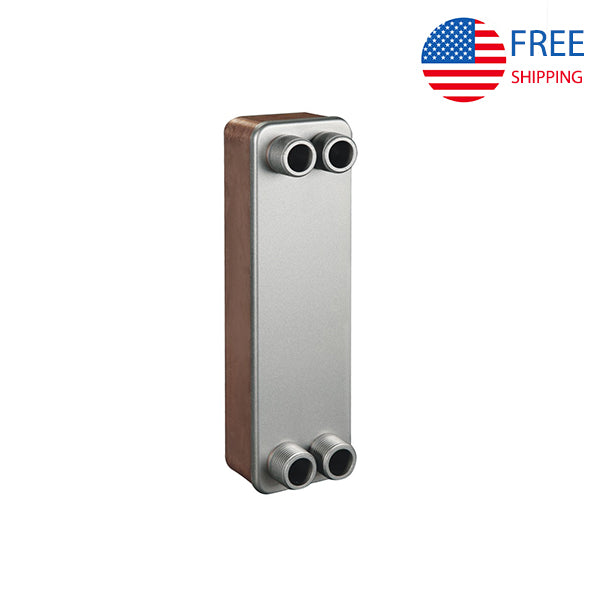
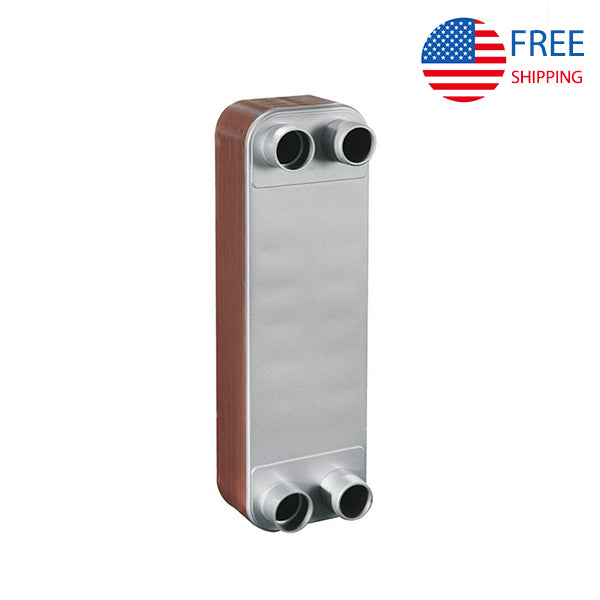
A titanium pool heat exchanger is a device that transfers heat between two separate water circuits without mixing the fluids.
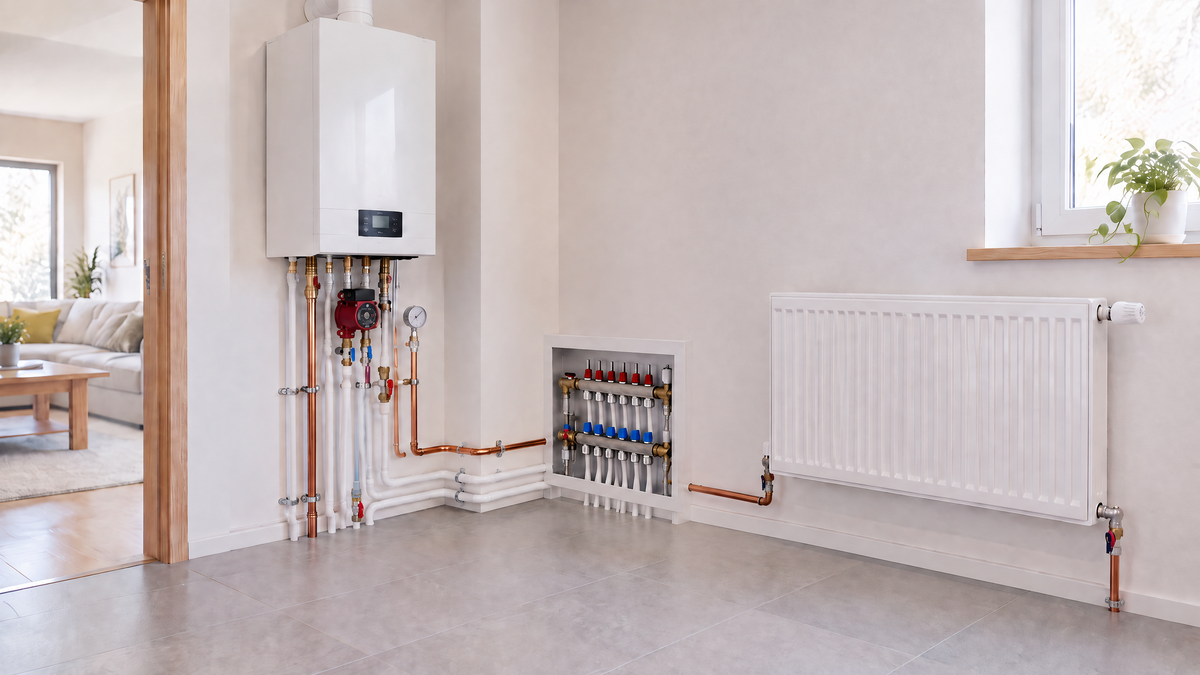
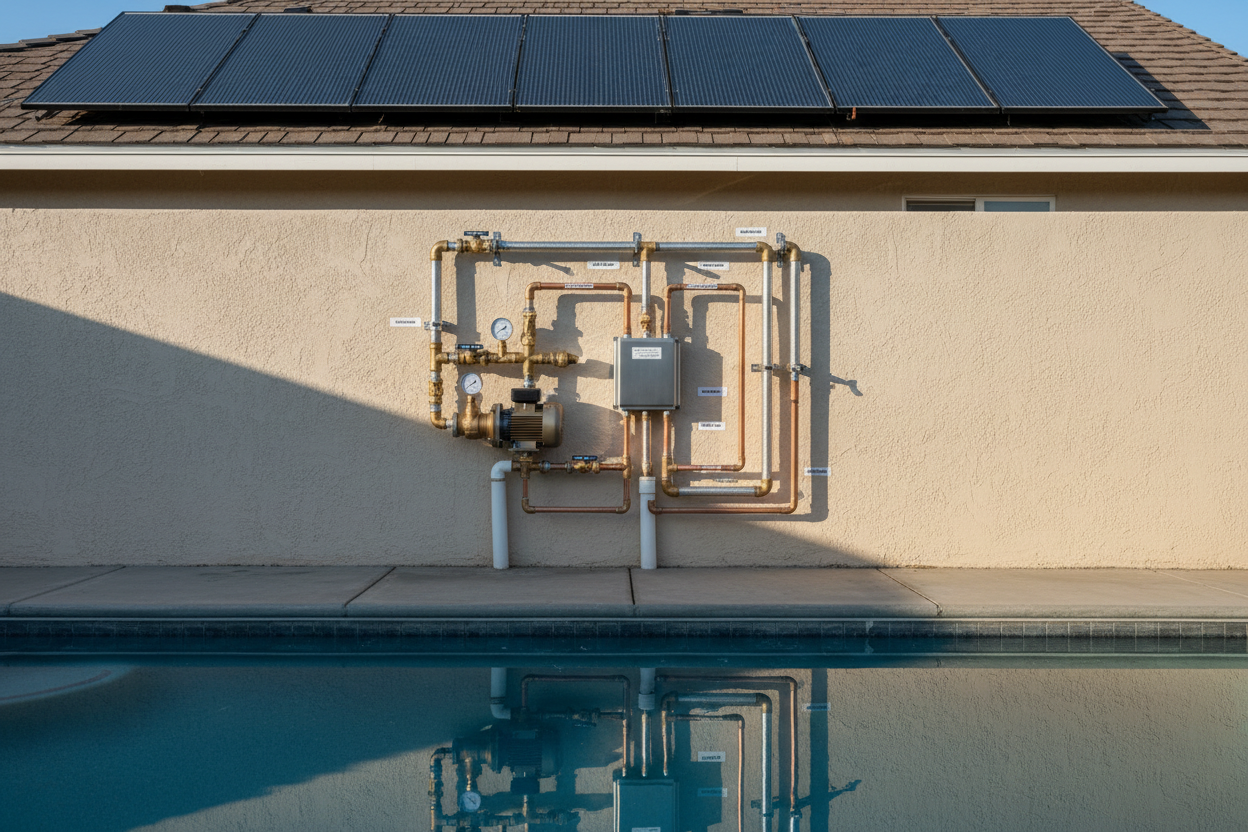
In a typical swimming pool heating system, the heat exchanger transfers energy from a heating source, such as a boiler, solar heating system, heat pump, or geothermal system, to the pool water circulation loop.
The basic working process is:
Heating Source → Titanium Heat Exchanger → Pool Water Circulation System
Inside the heat exchanger, hot water flows through one side while pool water flows through the other side. Heat passes through the titanium heat transfer surface, warming the pool water while keeping the two fluids separated.
Titanium is commonly selected for pool heat exchangers because it can withstand aggressive water environments, especially saltwater and chemically treated pools.
Why Do Saltwater Pools Need Titanium Heat Exchangers?
Saltwater pools create a more challenging environment for heat exchanger materials compared with traditional freshwater pools.
Although saltwater pools contain lower chlorine levels than conventional chlorinated pools, they still contain chloride ions that can cause corrosion over time.
Common issues with unsuitable materials include:
- Corrosion damage
- Reduced heat transfer performance
- Shorter equipment lifespan
- Increased maintenance costs
Titanium provides excellent resistance against chloride corrosion because it naturally forms a protective oxide layer on its surface.
This makes titanium heat exchangers especially suitable for:
- Saltwater swimming pools
- Indoor pools
- Spa systems
- Commercial aquatic facilities
- Pools using chlorine generators
Titanium vs Stainless Steel Pool Heat Exchanger: Which Is Better?
When selecting a pool heat exchanger, many users compare titanium and stainless steel options.
Both materials have advantages, but titanium provides superior performance in demanding pool environments.
| Feature | Titanium Heat Exchanger | Stainless Steel Heat Exchanger |
|---|---|---|
| Corrosion Resistance | Excellent | Moderate |
| Saltwater Compatibility | Excellent | Limited depending on grade |
| Service Life | Longer lifespan | Shorter in aggressive environments |
| Chemical Resistance | Excellent | Good |
| Maintenance Requirement | Lower | Higher |
| Initial Cost | Higher | Lower |
For freshwater pools with mild operating conditions, stainless steel may be an economical option.
However, for saltwater pools, titanium is usually the preferred material because it provides long-term protection against corrosion and reduces replacement costs.
Benefits of Using a Titanium Pool Heat Exchanger
1. Superior Corrosion Resistance
The biggest advantage of titanium is its ability to resist corrosion from saltwater and chemicals.
Unlike copper or some stainless steel materials, titanium maintains its performance even in harsh water conditions.
This makes titanium pool heat exchangers ideal for systems where durability is a priority.
2. Longer Service Life
Because titanium is highly resistant to corrosion, titanium heat exchangers typically provide a longer operating lifespan compared with traditional materials.
A longer service life means:
- Fewer replacements
- Lower maintenance costs
- More reliable pool heating performance
3. Excellent Heat Transfer Performance
Titanium has good thermal conductivity and can efficiently transfer heat between the heating source and pool water.
Combined with optimized heat exchanger designs, titanium units can provide efficient heating while maintaining compact dimensions.
4. Suitable for Multiple Heating Sources
Titanium pool heat exchangers can be integrated with many heating systems, including:
- Gas boilers
- Solar heating systems
- Heat pumps
- Geothermal systems
- Commercial heating systems
5. Reduced Maintenance Requirements
Because titanium resists corrosion and chemical damage, maintenance requirements are generally lower compared with other materials.
Regular inspection and cleaning are still recommended to maintain optimal heat transfer efficiency.
How to Choose the Right Titanium Pool Heat Exchanger?
Selecting the correct pool heat exchanger depends on several system parameters.
1. Pool Size
The pool volume determines the heating capacity required.
Larger pools require higher heat transfer capacity to achieve the desired temperature within a reasonable time.
2. Heating Capacity
Consider:
- Required temperature increase
- Heating source output
- Desired heating speed
An oversized heat exchanger may increase upfront costs, while an undersized unit may not provide sufficient heating performance.
3. Flow Rate
Water flow rate is one of the most important factors when selecting a heat exchanger.
The recommended model depends on:
- Pool circulation pump flow
- Heating loop flow
- Pressure drop requirements
4. Operating Temperature
Different heating sources operate at different temperatures.
For example:
- Boilers typically provide higher temperature water
- Heat pumps operate at lower temperature differences
- Solar systems depend on weather conditions
The heat exchanger should match the temperature range of the system.
5. Connection Size and Installation Requirements
Before selecting a model, confirm:
- Pipe connection size
- Installation space
- Mounting direction
- Maintenance access
Common Applications of Titanium Pool Heat Exchangers
Titanium pool heat exchangers are widely used in different swimming pool heating applications.
Residential Swimming Pools
Homeowners use titanium heat exchangers for reliable pool heating, especially for saltwater pools and premium residential systems.
Saltwater Pools
Saltwater pools are one of the most common applications because titanium provides excellent chloride corrosion resistance.
Hotels and Resorts
Commercial hospitality facilities require durable heating solutions that can operate continuously with minimal maintenance.
Titanium heat exchangers are commonly installed in:
- Hotel pools
- Resort pools
- Spa facilities
Commercial Swimming Pools
Public swimming pools and aquatic centers often require high-performance equipment that can withstand heavy usage and chemical exposure.
Titanium Pool Heat Exchanger Maintenance Tips
Although titanium heat exchangers require minimal maintenance, regular inspection helps maintain long-term performance.
Recommended maintenance practices include:
Check Water Flow Regularly
Insufficient flow can reduce heat transfer efficiency and affect system performance.
Keep Water Chemistry Balanced
Proper pool water chemistry helps protect all components in the heating system.
Inspect Connections and Seals
Regularly check fittings, connections, and seals for possible leaks.
Clean When Necessary
Over time, mineral deposits or debris may reduce heat transfer efficiency. Periodic cleaning helps maintain performance.
For saltwater pools and demanding swimming pool heating applications, titanium is one of the best material choices available.
A titanium pool heat exchanger provides:
- Excellent corrosion resistance
- Long service life
- Reliable heat transfer performance
- Compatibility with multiple heating systems
- Lower long-term maintenance requirements
If you are designing a new pool heating system or replacing an existing heat exchanger, choosing the right titanium model based on pool size, flow rate, and heating requirements is essential.